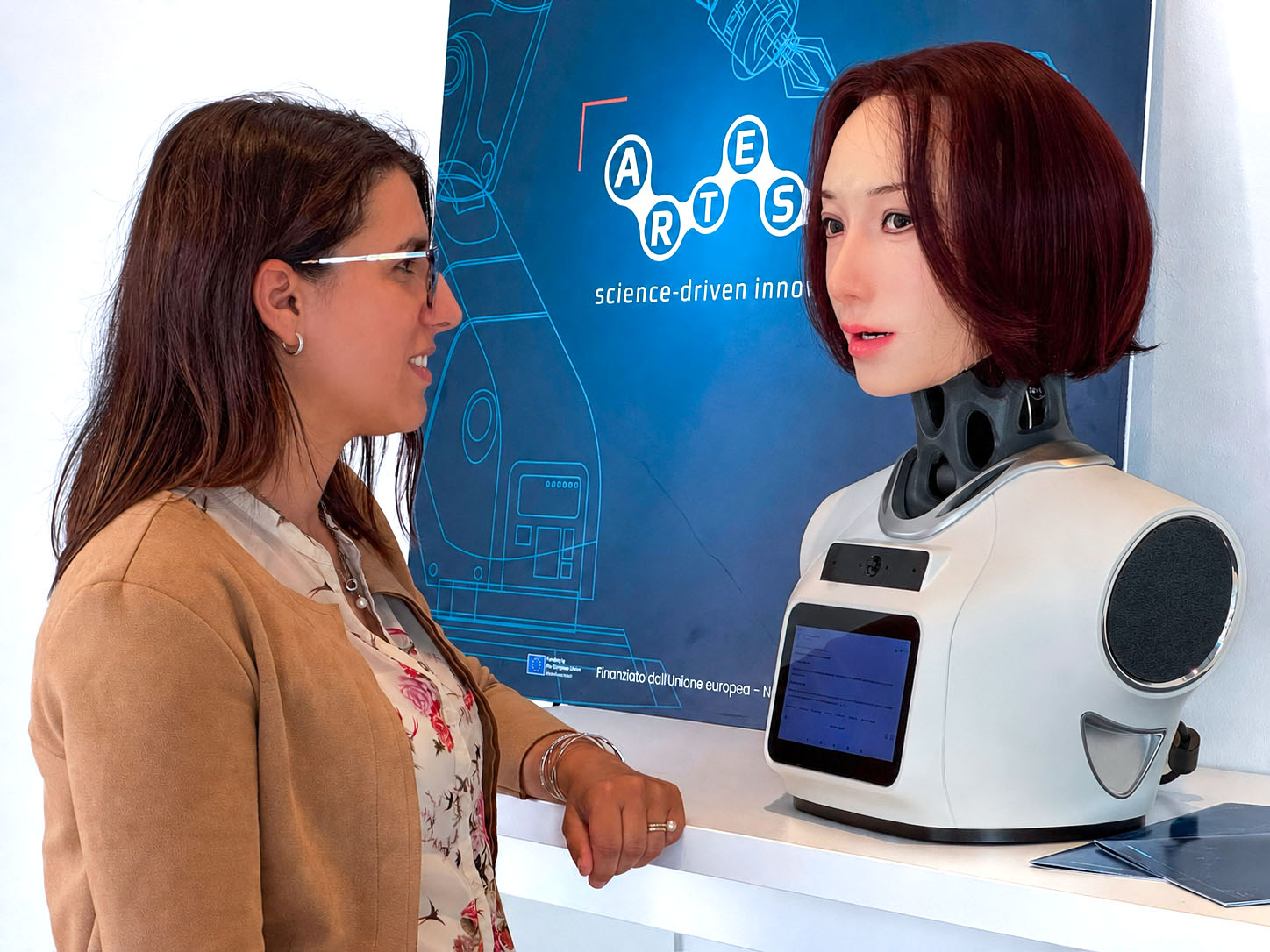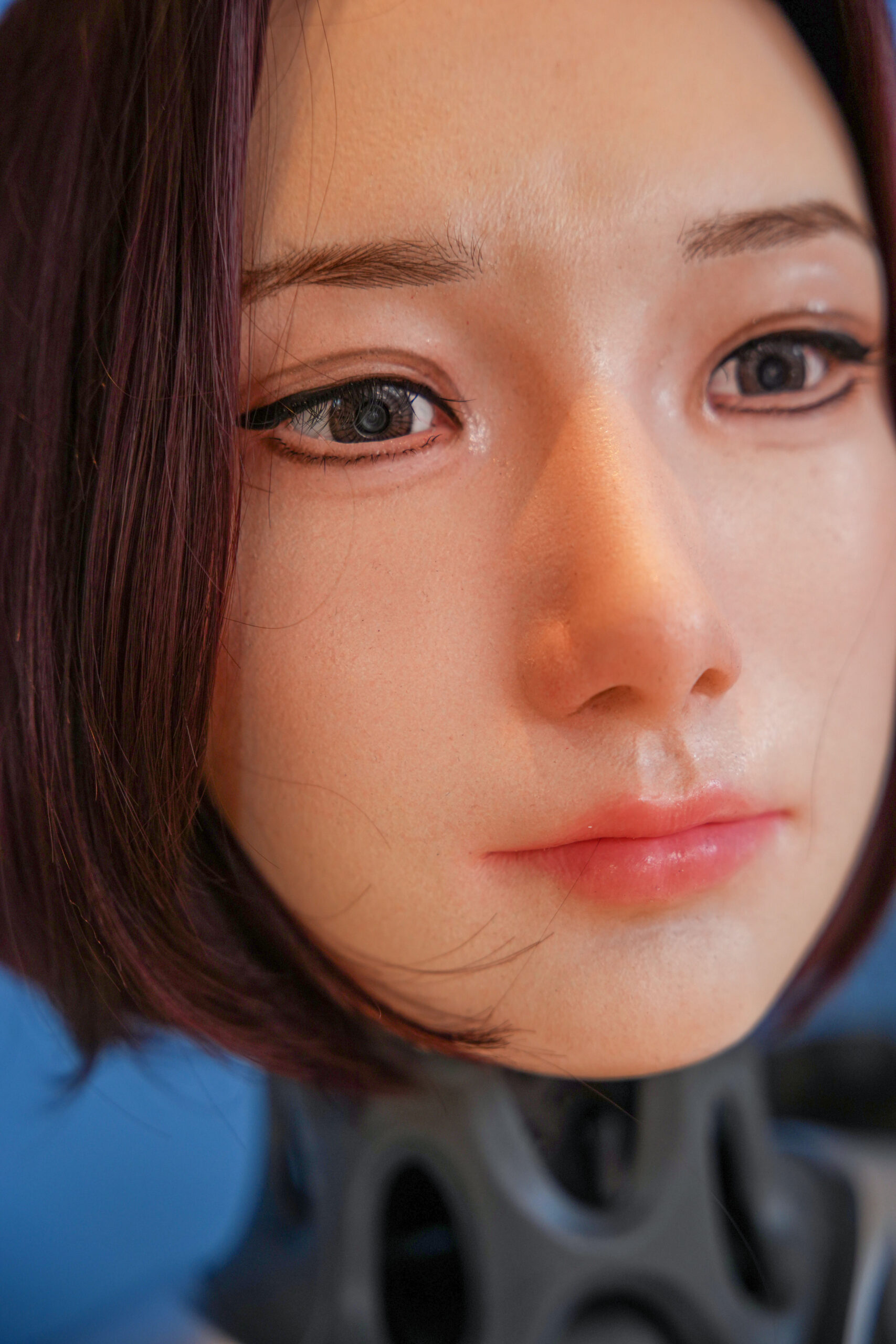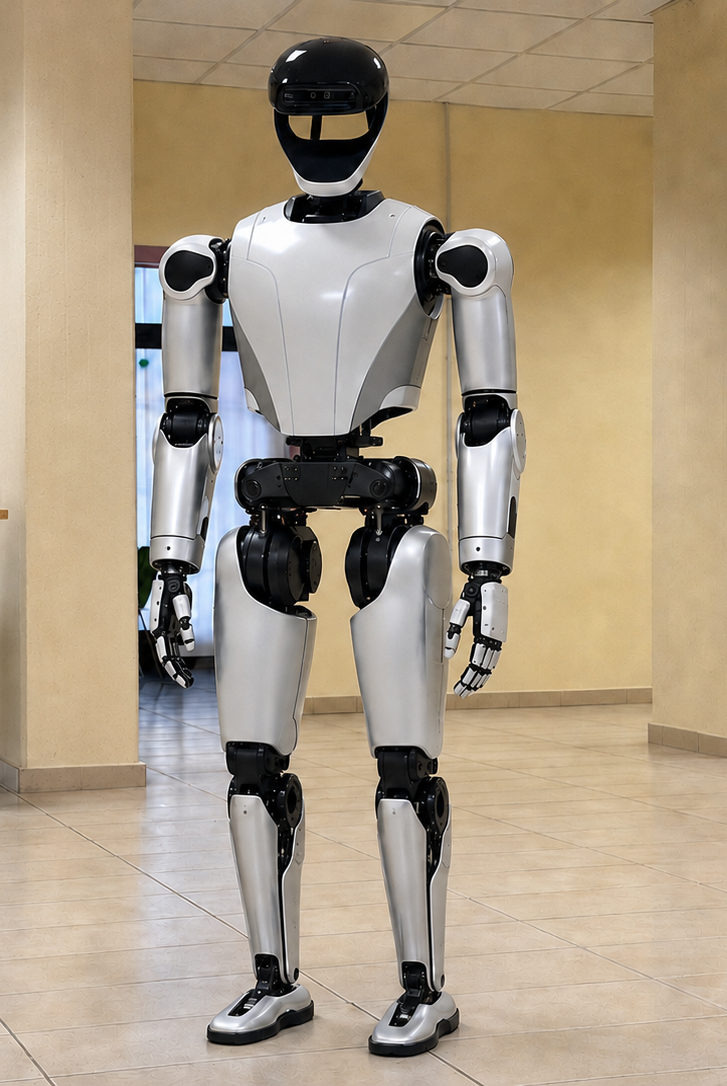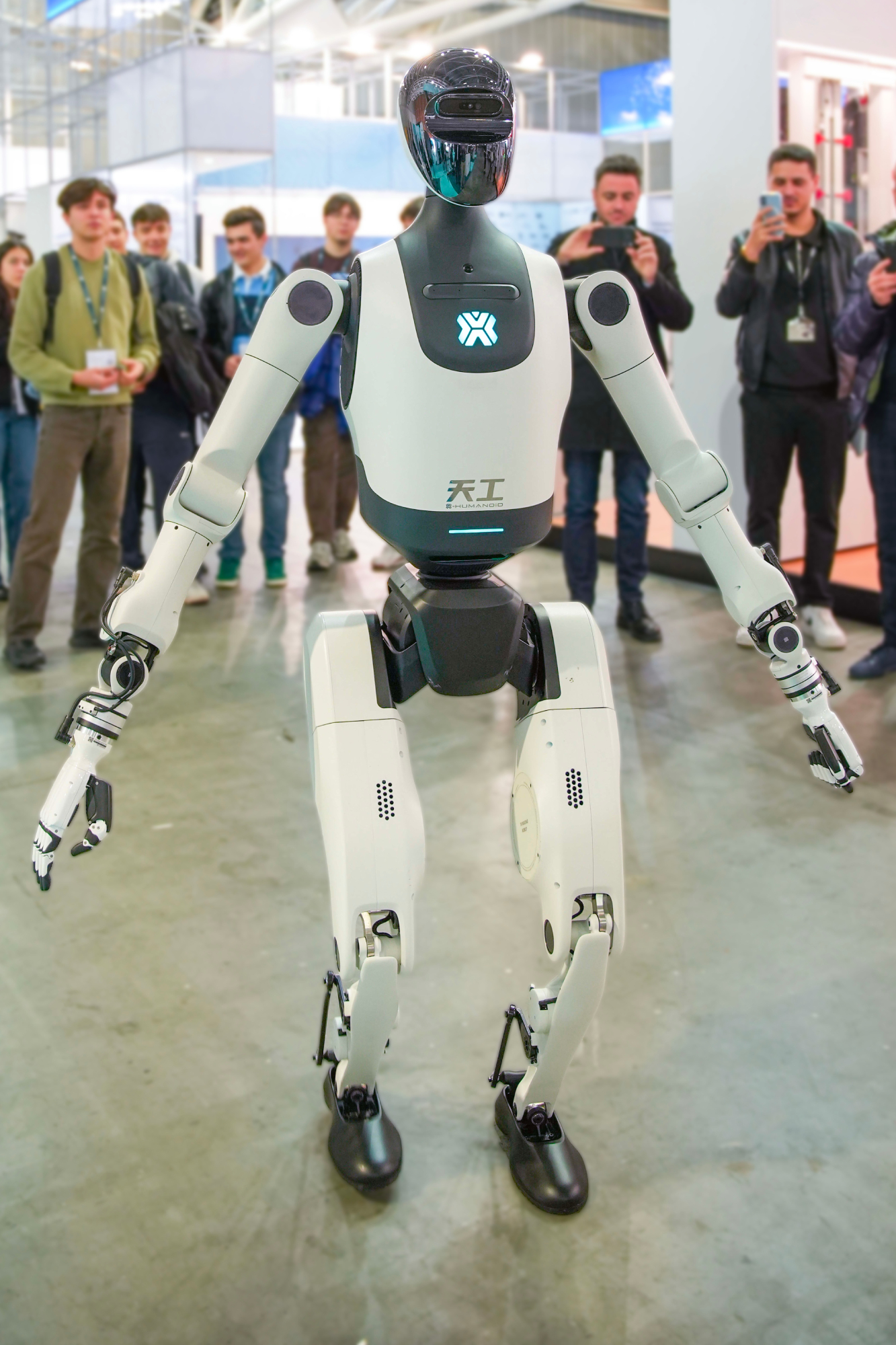
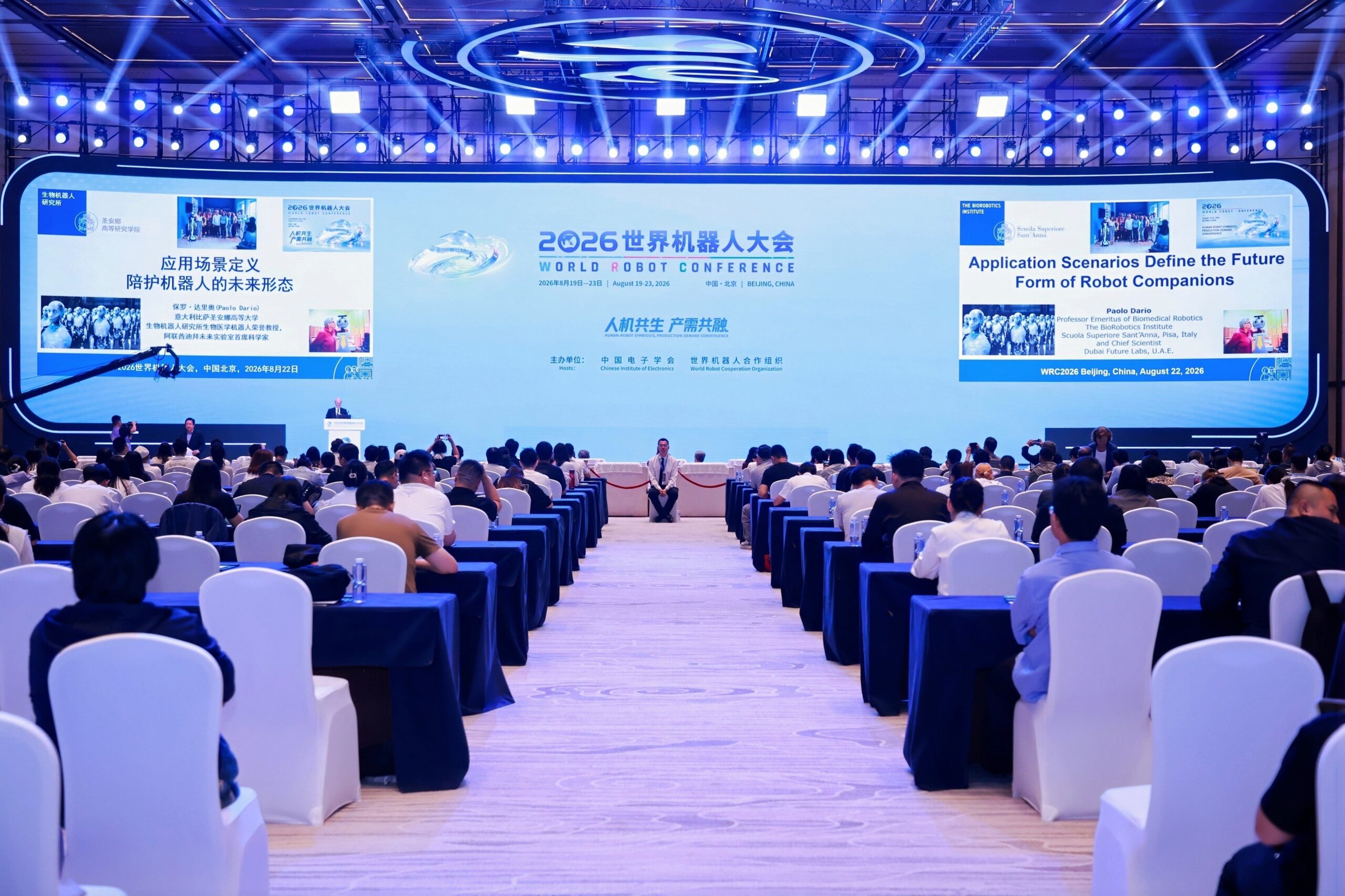
Who is leading the global race to develop humanoids? At the World Robot Conference 2026, the answer lay not only in machines capable of walking, grasping objects, maintaining their balance or interacting with people. It could also be seen in the faces of their founders: a new generation of entrepreneurs with solid scientific and engineering backgrounds who have become leading figures in one of the world’s most competitive technology sectors. The presence of ARTES 4.0 as an International Supporting Organization, reinforced by contributions from two plenary speakers, was intended to observe this transformation first-hand and turn it into concrete opportunities for Italian companies, linking research, technology transfer and validation through the RoboCom Center.
ARTES 4.0 in the international debate
ARTES 4.0 took part in the World Robot Conference as one of the International Supporting Organizations and contributed to the scientific program with two plenary speakers, bringing to the debate a presence built around two interconnected dimensions: the technology transfer activities of ARTES 4.0 and the RoboCom Center, and the research conducted by the Scuola Superiore Sant’Anna in Pisa, a Founding Member of the Competence Center. In the latest edition of the ShanghaiRanking’s Global Ranking of Academic Subjects, the Scuola Sant’Anna ranks seventh worldwide and second in Europe in Robotics Science & Engineering.
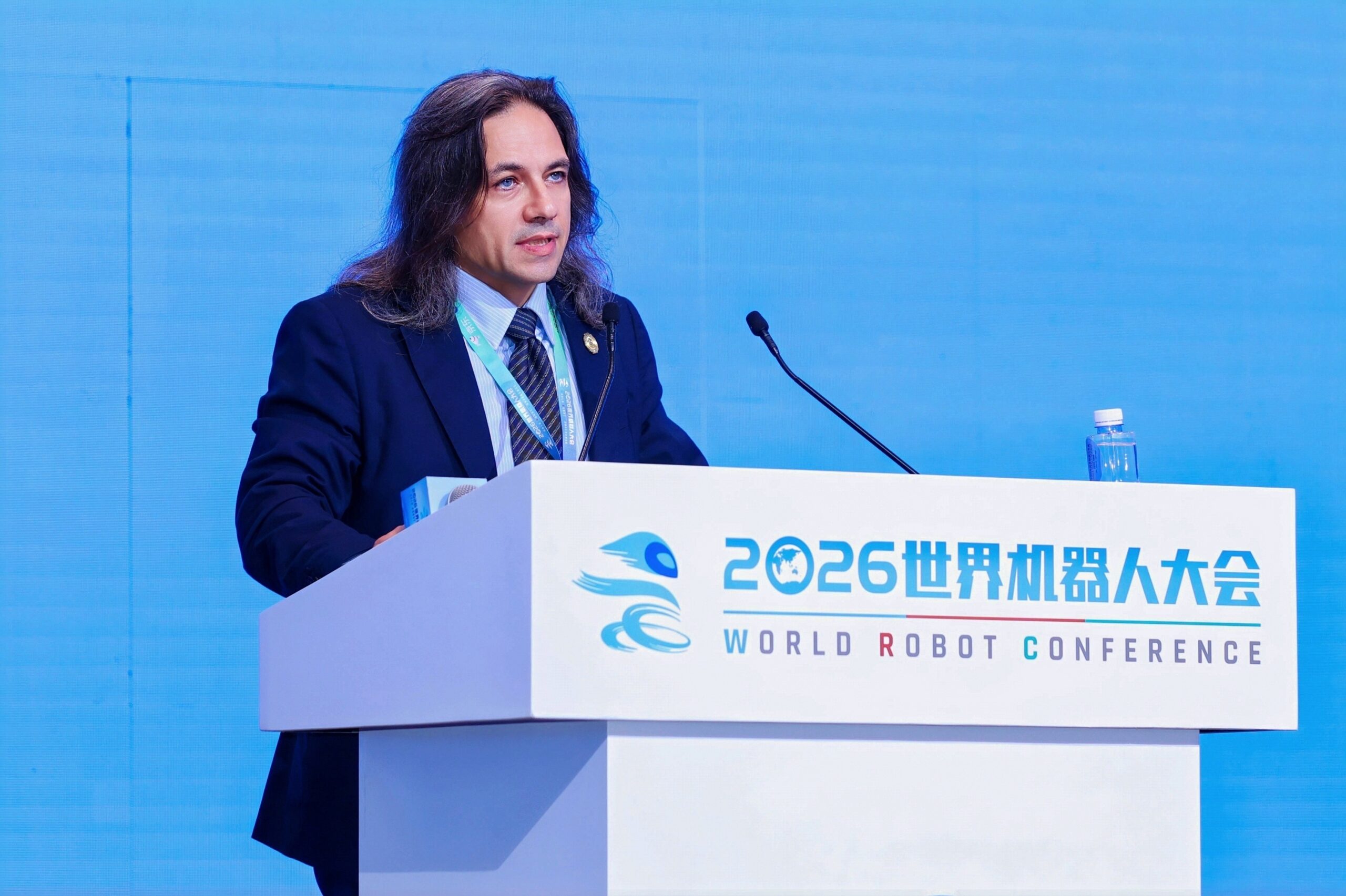
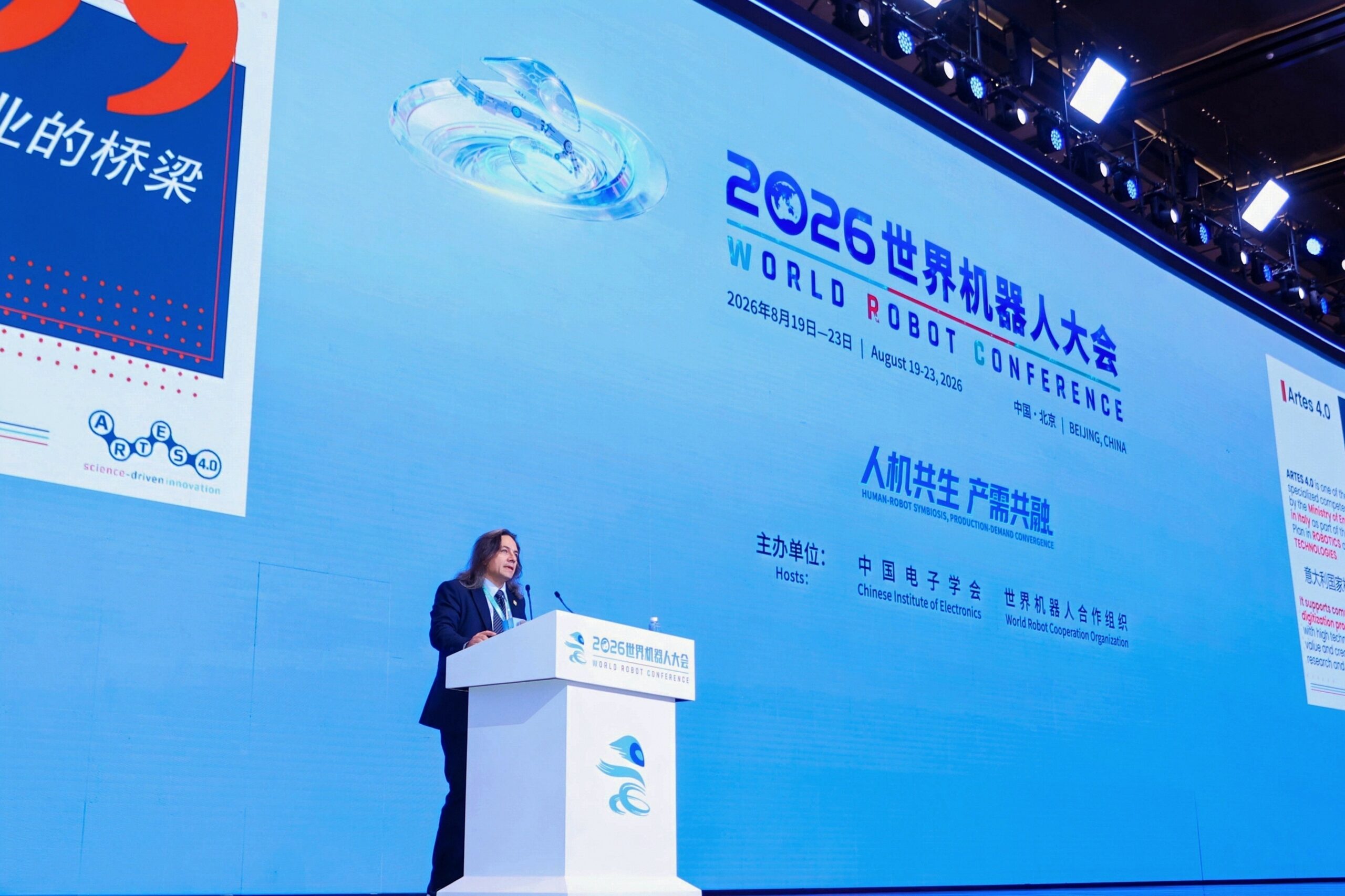
Prof. Antonio Frisoli, President of ARTES 4.0, delivered the plenary lecture “Embodied AI for Human Empowerment and Well-Being: From Intelligent Humanoids to Wearable Robots”. His contribution shifted the focus away from machine autonomy alone and towards the capacity of embodied AI to expand people’s capabilities, support movement, facilitate rehabilitation and improve well-being.
“In Beijing,” Prof. Antonio Frisoli explained on the sidelines of his talk, “we saw how rapidly artificial intelligence is entering robot bodies. The maturity of these technologies is measured by the ability of increasingly advanced robotic systems to use new foundation models to acquire new skills, as demonstrated by their capacity to generalize to new situations and interact with unstructured environments and people ”.
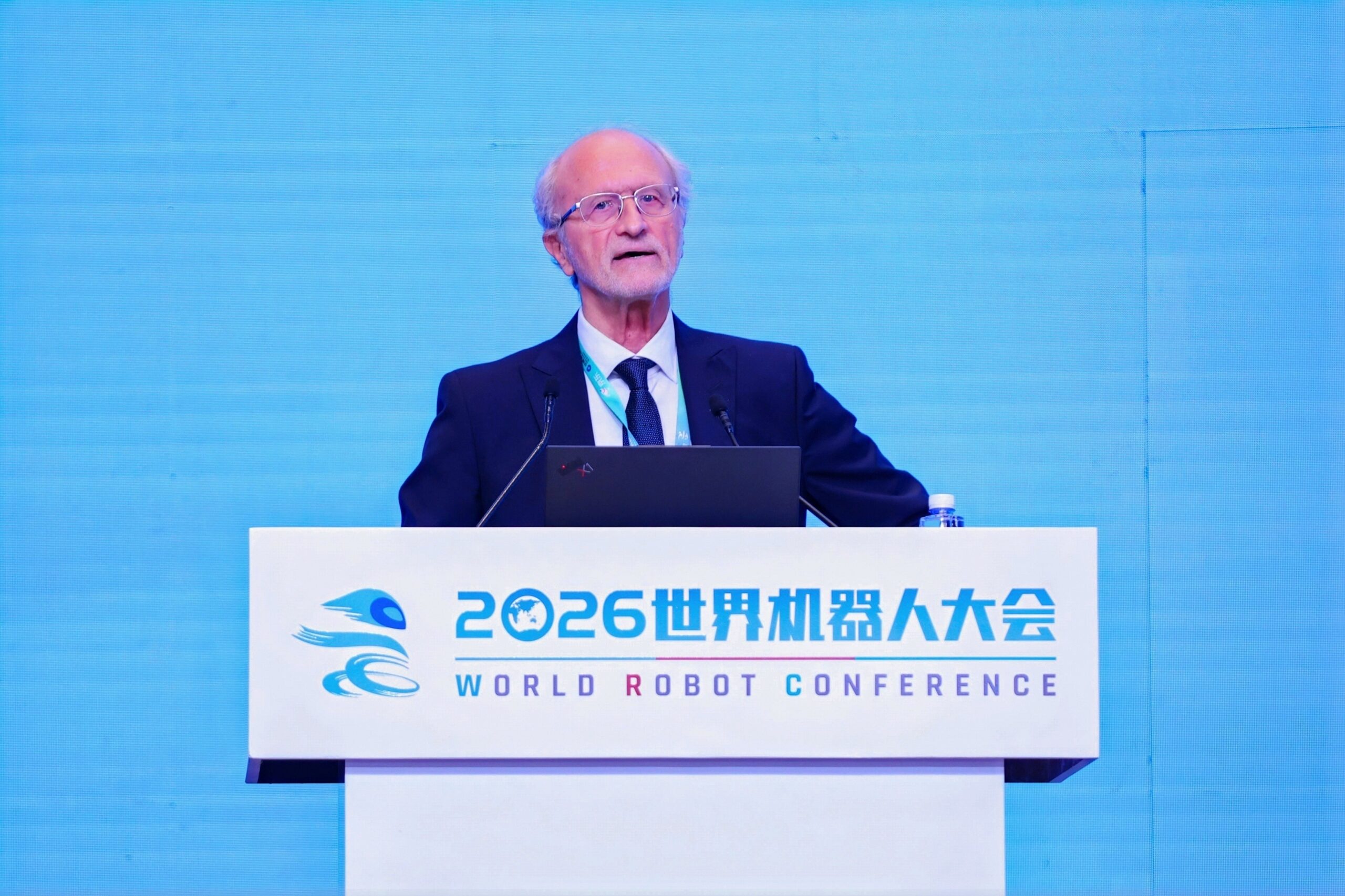
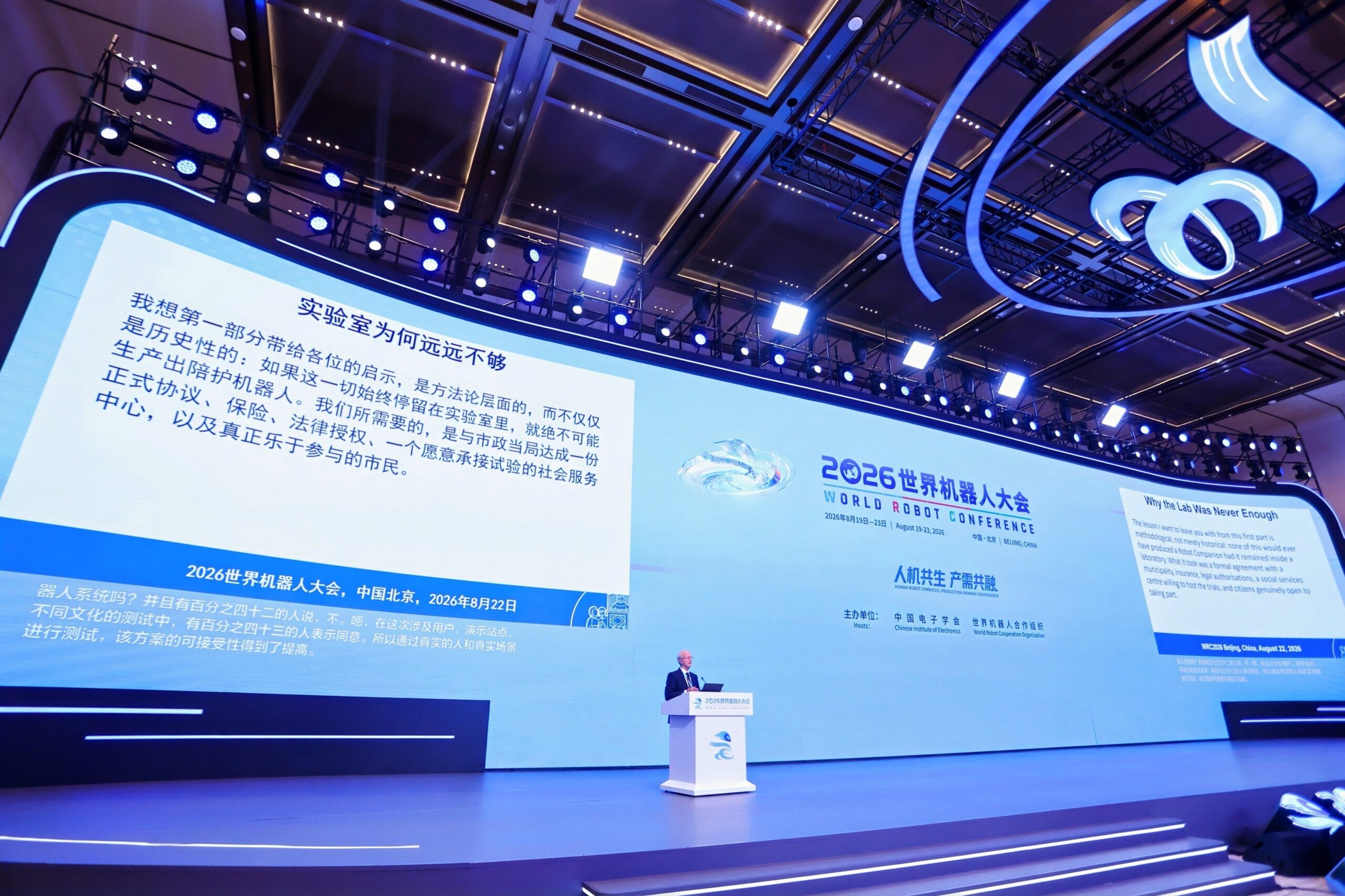
Prof. Paolo Dario, Scientific Director of ARTES 4.0, Professor Emeritus at the Scuola Superiore Sant’Anna and Chief Scientist at the Dubai Future Laboratories, presented “Application Scenarios Define the Future Form of Robot Companions”. His argument signals a shift in perspective: there is no single robotic form suited to every need. Application scenarios determine the most appropriate body, senses, interface and degree of autonomy.
“Having followed the World Robot Conference since its first edition,” Prof. Dario noted, “the most evident change is the shift from individual prototypes to an ecosystem capable of developing, producing and improving robots at extraordinary speed. The future, however, will not be defined by a single robotic form: applications, environments and people’s needs will determine the body, senses and level of autonomy of robot companions”.
Prof. Dario has attended the World Robot Conference since its first edition in 2015, when the event had not yet achieved its current industrial and media prominence. This continuity makes it possible to trace WRC’s transformation over more than ten years: from research prototypes to an ecosystem in which technology, production, investment and applications influence one another.
The program also featured talks by senior figures from the leading humanoid robotics companies. Wang Xingxing discussed the shift from exhibits to products, while Juha Röning, Vice President Research at euRobotics, addressed the opportunities and critical issues of the embodied AI era from a European perspective. Röning reiterated the principles of human-centered, sustainable and responsible robotics, capable of working alongside people without reducing innovation to mere job replacement.
The Formula 1 of robotics
From 19 to 23 August, the Yizhuang technology district in Beijing hosted 373 Chinese and international companies, 3,000 products and 311 new releases. The event’s international reach included organizations, delegations and participants from 26 countries. These figures describe the scale achieved by the World Robot Conference, but they do not fully convey its value.
Given the concentration of research, components, capital and development speed, the event can be seen as a kind of Formula 1 of robotics. The exhibition halls brought together humanoids, quadrupeds, robotic hands, tactile sensors, actuators, vision systems, training platforms and solutions already designed for manufacturing, logistics, healthcare, assistance and services. The comparison does not mean that every demonstration is ready to become a product. Like the most advanced competitions, WRC pushes technologies, components and models to the limits of their performance. The real finish line is reached when this body of technology enters a real-world environment, operates safely and generates measurable value.
A generation of technical founders
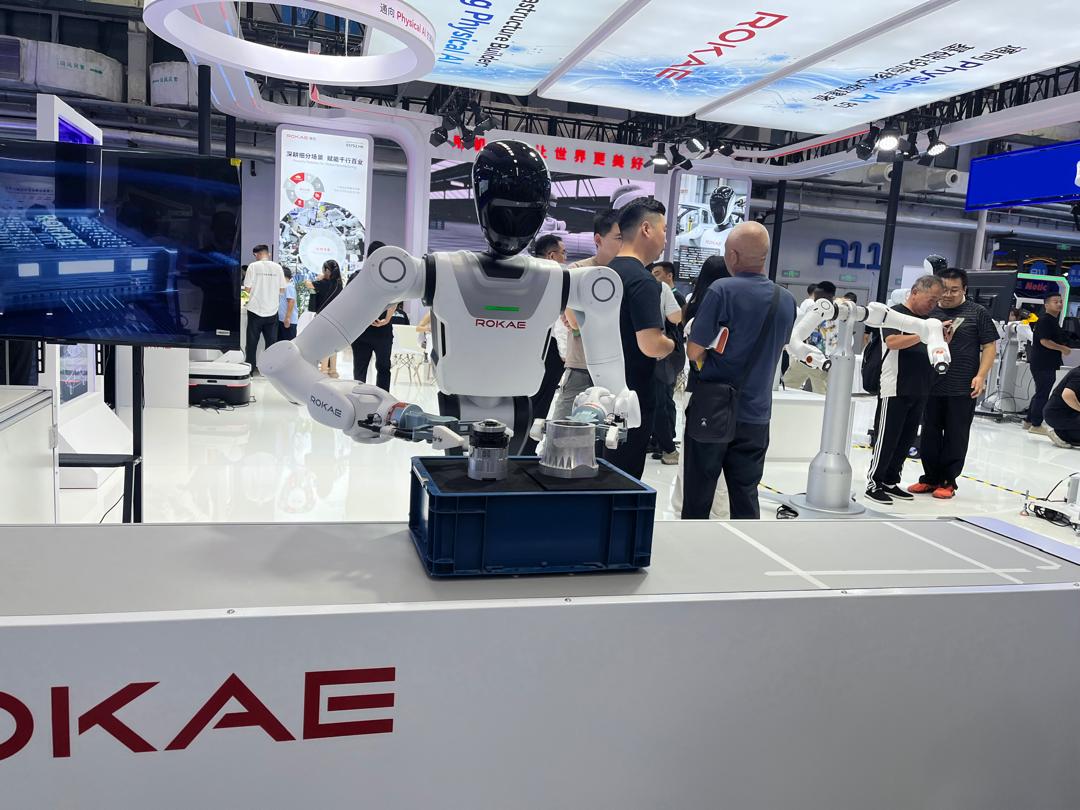
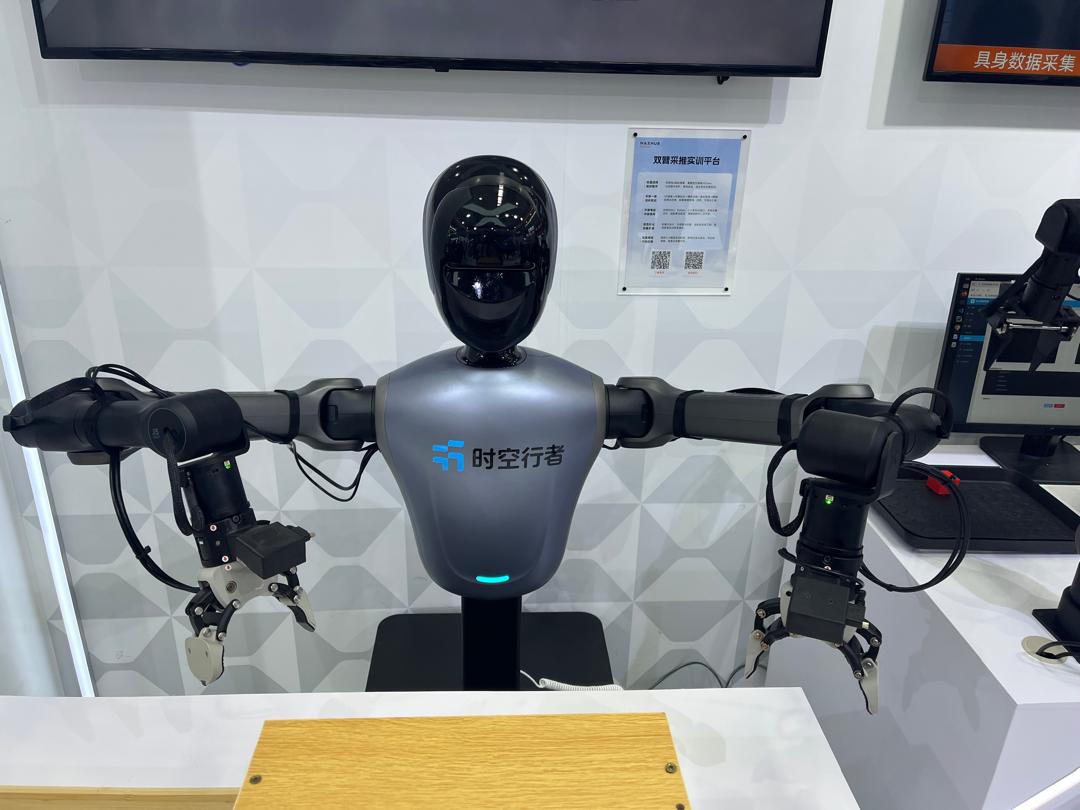
Among the many insights to emerge from WRC 2026, perhaps the most significant concerns not so much the surprising variety of humanoid robots on display or their technical performance, but rather the industrial model behind them. This aspect risks being overshadowed by the spectacle of the machines, yet it reveals their true strategic significance. What stands out is that these robots, both the hardware and the software that governs them, are being designed and built not by the large traditional manufacturing companies, despite their number and strength in China, but by a dense, dynamic ecosystem of startups. China has deliberately cultivated this phenomenon, creating the conditions for it to emerge and thrive.
These new companies are led by young entrepreneurs, often just over thirty, with outstanding academic credentials: most hold PhDs from China’s top universities, including Tsinghua, Peking University and Zhejiang University, to name just a few, and many have also studied or conducted research abroad. They are technically accomplished, highly motivated entrepreneurs, able to navigate international networks of knowledge, collaboration and markets with ease.
A second key factor is the degree of interconnectedness within this entrepreneurial fabric. These are not isolated startups competing in a fragmented way, but a networked system in which companies interact, share suppliers and expertise, and maintain close, ongoing ties with academia. Universities are not merely a source of recruits; they are active partners in applied research and often serve as the incubators from which the startups themselves emerge.
A third, equally decisive factor completes the picture: public support. At both central and local levels, Chinese authorities closely monitor this sector, regard it as strategic to the country’s industrial and technological competitiveness, and deploy concrete support measures, ranging from tax incentives and dedicated infrastructure to targeted talent-attraction policies. This is matched by capital commensurate with the project’s ambition: venture capital funds, state capital and private investors provide a flow of resources that allows startups to scale rapidly, without enduring the slow, uncertain growth phases typical of other environments.
The result is a model that effectively combines four ingredients rarely found together at this intensity: outstanding human capital, close integration between research and business, abundant patient capital, and public direction that guides and accelerates without stifling private initiative. More than any individual technological innovation, it is this system architecture that makes China’s humanoid robotics sector such a striking case and one deserving of close attention.
The most striking images from WRC 2026 do not feature only robots dancing, running or arranging objects. They also show a young entrepreneurial community that combines technical knowledge, industrial ambition and direct communication with investors, institutions, the media and new talent.
One well-known example is Wang Xingxing, founder and chairman of Unitree. At 36, he is already one of the public faces of China’s robotics industry. Unitree’s debut on the Shanghai Stock Exchange coincided with the opening of the Conference, intensifying attention on a company that, in just a few years, has moved from quadrupeds to humanoid robots and is now developing the models that govern their behavior.
In the conference program, Wang spoke on “From Exhibits to Products: The Next Decade of the Humanoid Robot Industry”. He was joined by founders and CEOs of companies such as Galbot, RobotEra, X Square and other businesses built around embodied AI. This is the sign of a system that offers highly qualified young people a visible path: from research to a startup, from prototyping to production and, ultimately, access to capital.
These founders are taking on a role similar to that of the most recognizable figures in sport or the digital economy: they attract attention and make robotics an aspirational career field. Behind their public profile lie years of work in mechanics, electronics, control, artificial intelligence and production processes. It is precisely this combination of engineering culture and entrepreneurial initiative that gives the phenomenon substance.
From robot bodies to robot “brains”
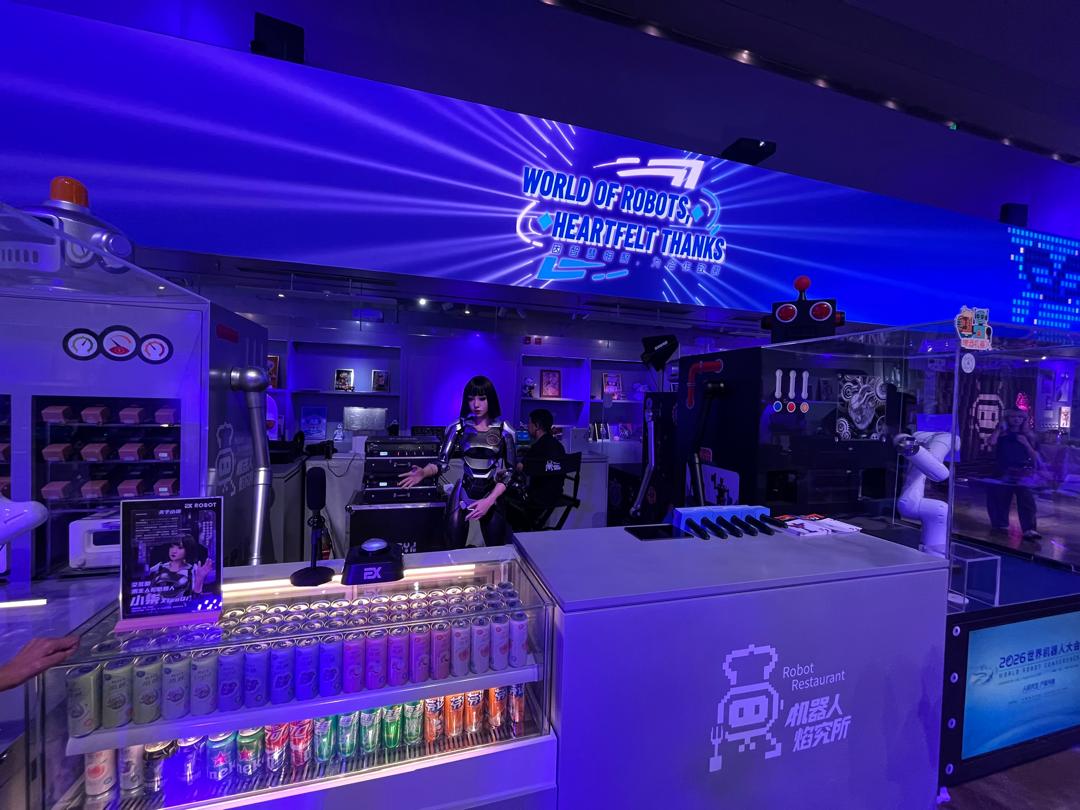
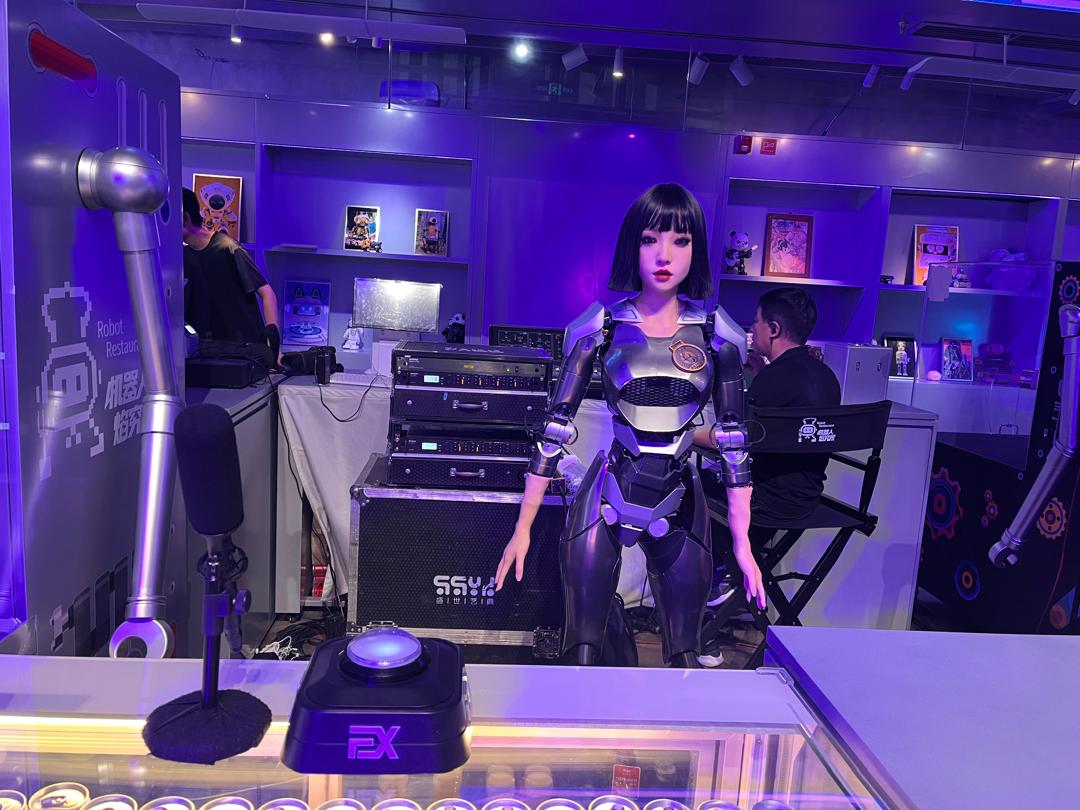
The first phase of the race to develop humanoids focused attention on the body: balance, locomotion, energy autonomy, payload, hand dexterity and component costs. WRC 2026 also highlighted a new frontier. The new frontier of investment is shifting towards the “brains” of robots, namely models capable of turning perception and instructions into actions in the physical world.
Embodied AI, or artificial intelligence incorporated into a physical system, does more than process text and images. It perceives its environment, understands its structure, predicts the consequences of a movement, coordinates the body and corrects errors while performing a task. In an industrial or domestic setting, no two situations are perfectly identical: objects, distances, people, lighting and unexpected events all change.
This explains the growing focus on VLA models, or Vision-Language-Action models, which connect what a robot sees with language instructions and the actions to be performed. The discussion is already extending to World Models and World Action Models, designed to build a predictive understanding of the physical world. Touch and force complete the picture: a robotic hand must not only recognize a glass, but also understand how much pressure to apply, detect slippage and adjust its grip.
The conference showed that capital is no longer focused solely on complete robots. It is being directed towards foundation models, control, computing capacity, data collection, tactile sensors and critical components. Wang Xingxing identified World Models as an important area of investment for Unitree in terms of both resources and personnel.
The real test begins outside the exhibition halls
The spectacle of humanoids does not conceal the challenges still to be overcome. Many robots remain more convincing in a controlled demonstration than when faced with the variability of a production line, a warehouse or a home. Reliability over thousands of hours, safety around people, maintenance, repeatability and return on investment separate an interesting prototype from an industrial solution.
The Chinese industry itself appears aware of this transition. The theme of WRC 2026, “Human-Robot Symbiosis, Production-Demand Convergence”, linked coexistence between people and robots to the convergence of technological supply and real demand. It is not enough to ask what a machine can do. The questions are who it should work for, in what environment, with what degree of autonomy and with what value compared with the available alternatives.
The pace of development in China generates an enormous volume of technologies to observe, select and assess. This increases the need for comparative tests, protocols, data and environments in which performance, safety, usability and integration capacity can be verified before investment.
China and Europe: connecting different strengths
China brings to the table a scale of production, speed of iteration and ability to mobilize startups, universities and capital that are difficult to match. Europe and Italy have recognized expertise in human-centered robotics, safety, industrial quality, research and the validation of technologies designed to operate alongside people.
The most interesting opportunity lies in connecting these strengths. Italian companies can engage with new platforms, components and industrial partners; the Chinese ecosystem can find expertise in Italy to assess reliability, usability, compliance, integration and impact in real-world processes.
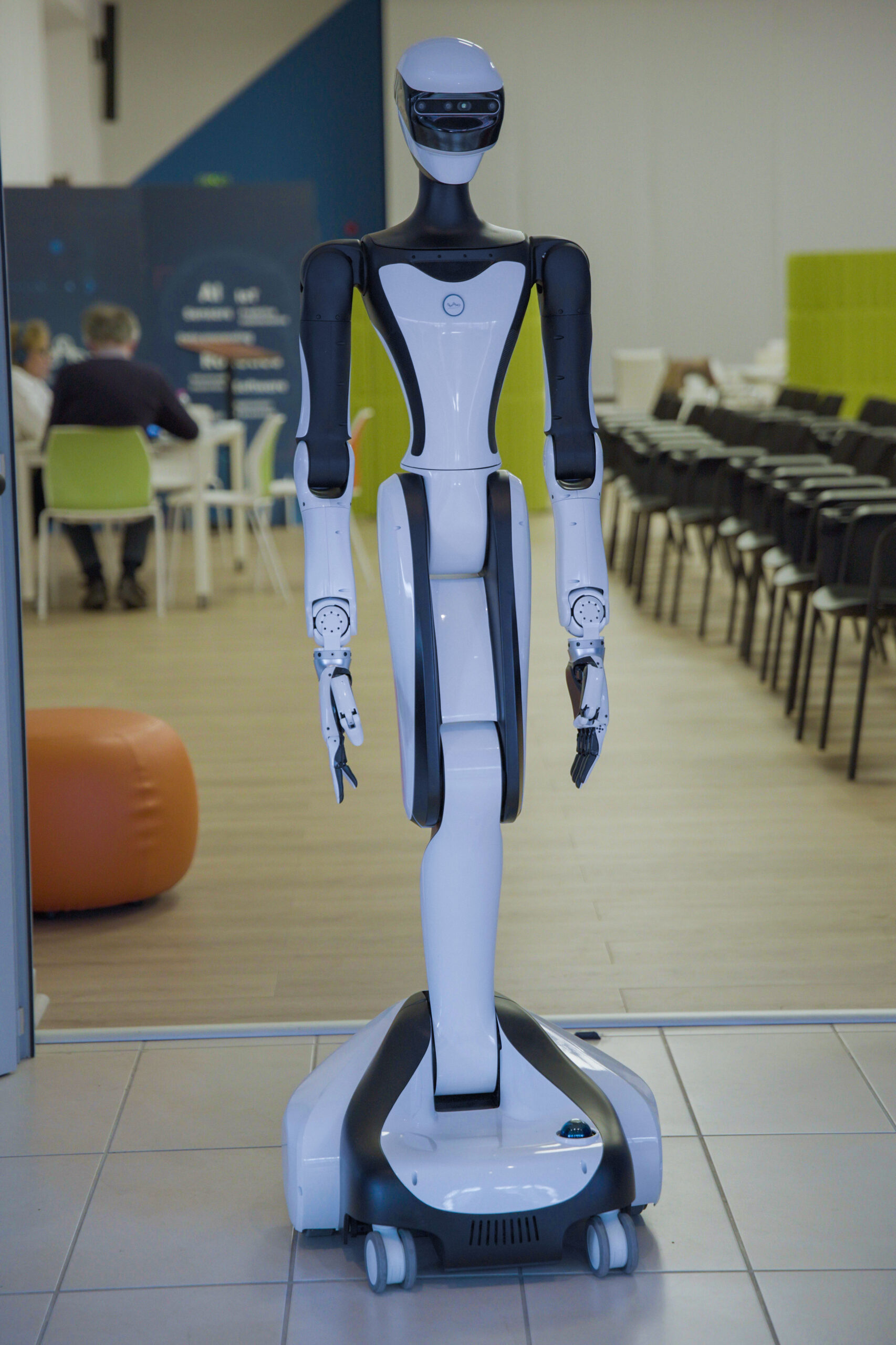
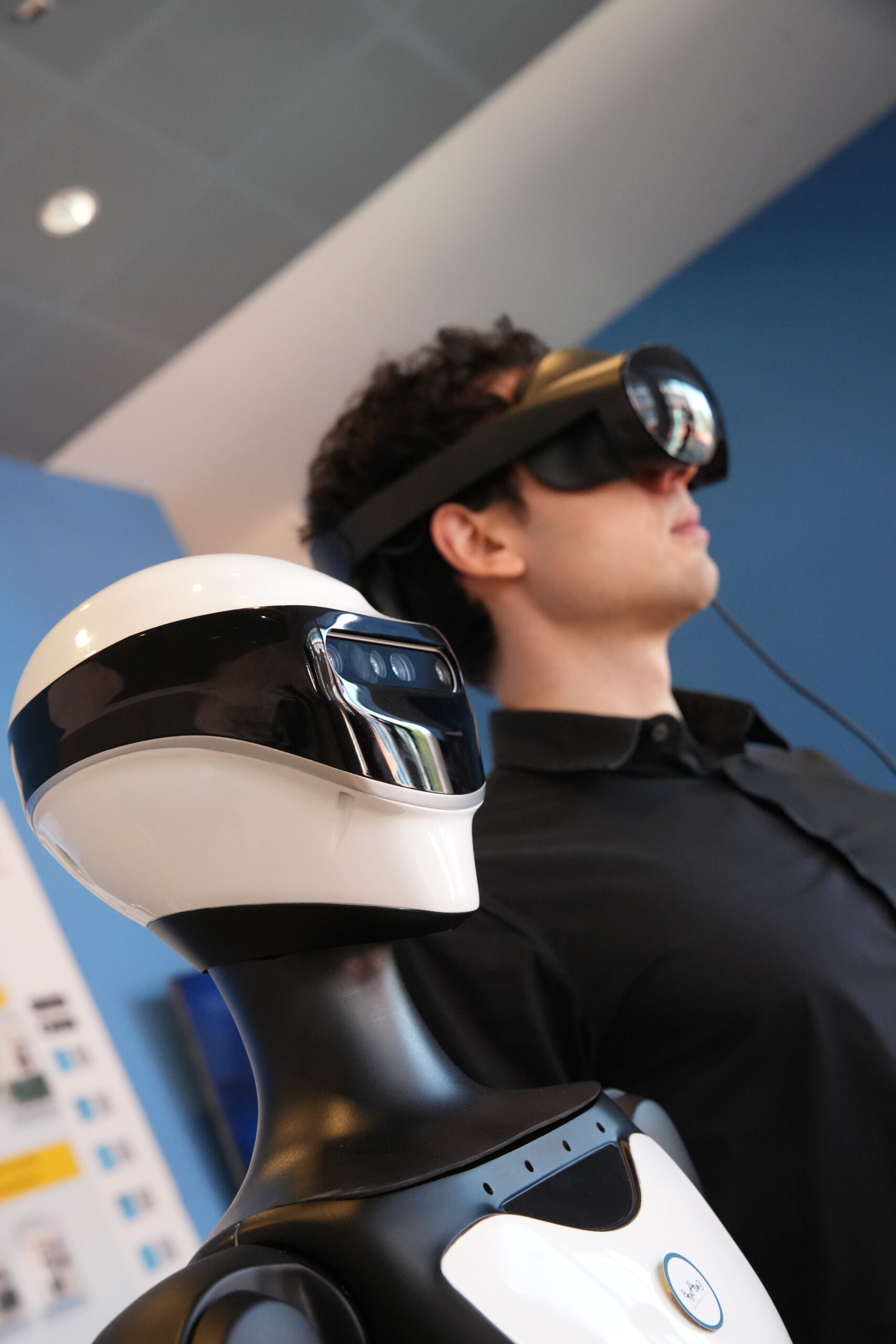
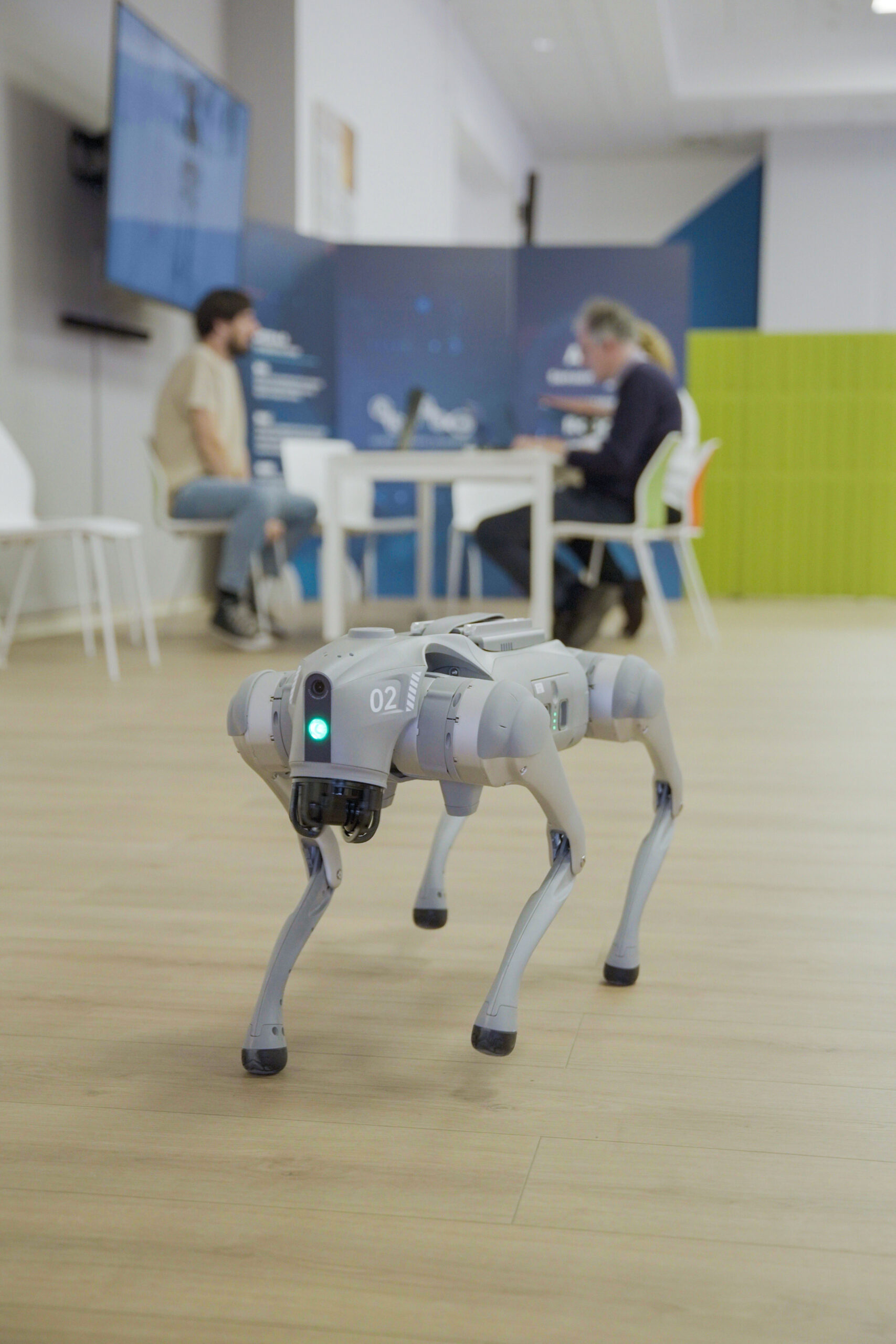
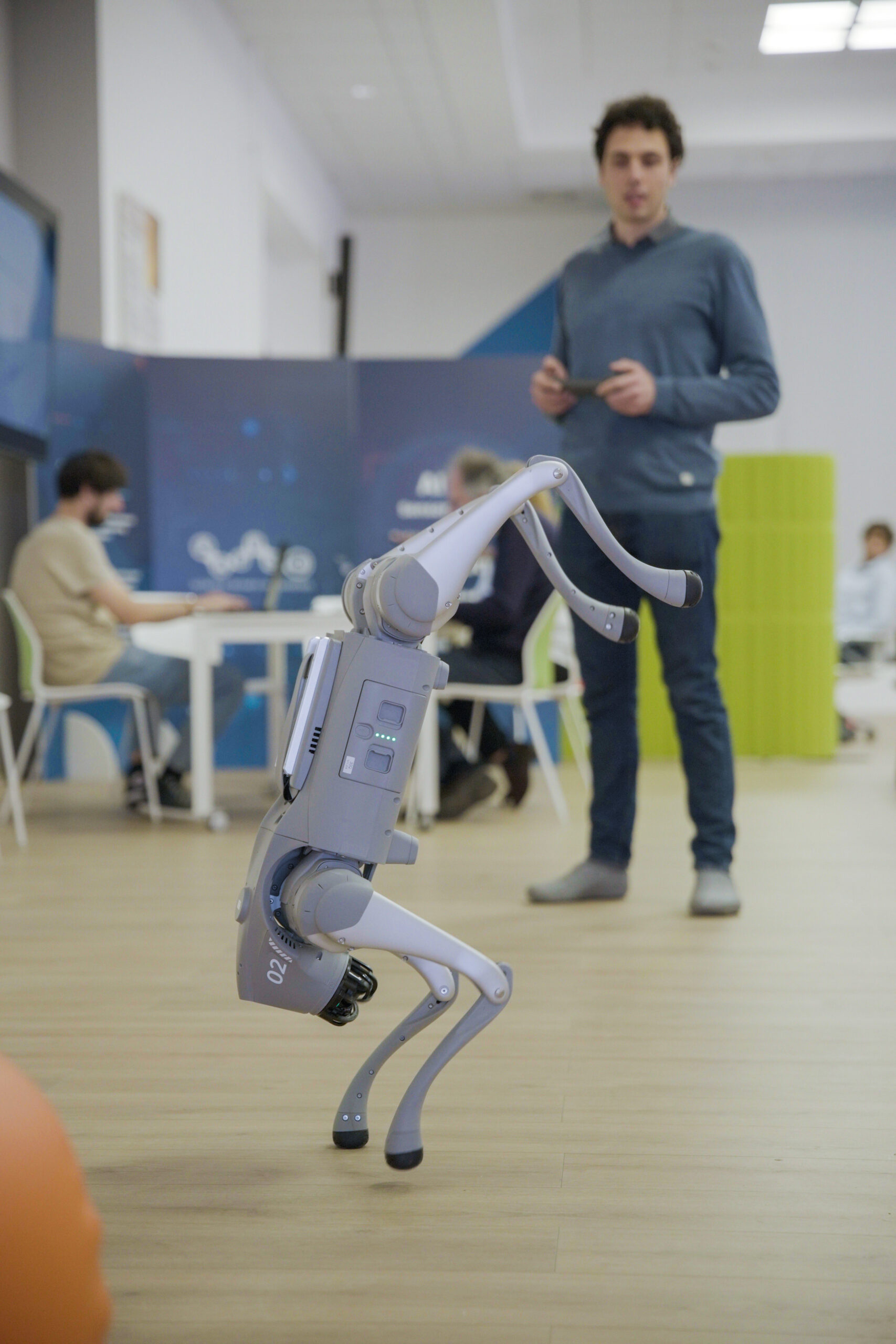
The ARTES 4.0 RoboCom Center was created precisely for this purpose: to enable companies and organizations to test robots, compare solutions and measure results before investing. Humanoids, quadrupeds, cobots, wearable robots and teleoperation systems gain value when they are assessed against a use case, not merely on the basis of a demonstration.
Bringing intelligence into the physical world
The next revolution in robotics will consist of bringing intelligence into the physical world and turning it into applications capable of generating value for people, industry and society. The World Robot Conference 2026 shows that China is pursuing this race with speed, scale and a new generation of technical entrepreneurs. ARTES 4.0 aims to turn its observation of this process into collaborations, tests and real opportunities for Italian companies.
The World Robotics Forum reveals an ecosystem in which startups, prestigious universities, research institutes, component manufacturers, testing platforms, major industrial groups and investors operate along the same path.
Ideas born in laboratories quickly find organizations willing to turn them into prototypes. Prototypes connect with suppliers of motors, joints, batteries, sensors, cameras and hands. Integrators take them into production environments, while capital is distributed across hardware, data, software, computing infrastructure and applications. The availability of factories and supply chains shortens the time between a new solution and its first industrial test.