What if companies could test a robot before integrating it into their operations?
They could measure its performance, safety, usability and operational impact. They could determine whether a robotics or artificial intelligence solution can improve a process, automate repetitive tasks or support service delivery. They could also evaluate how a robot should be designed, in terms of form, interaction and user experience, to ensure effective integration into human and organisational environments.
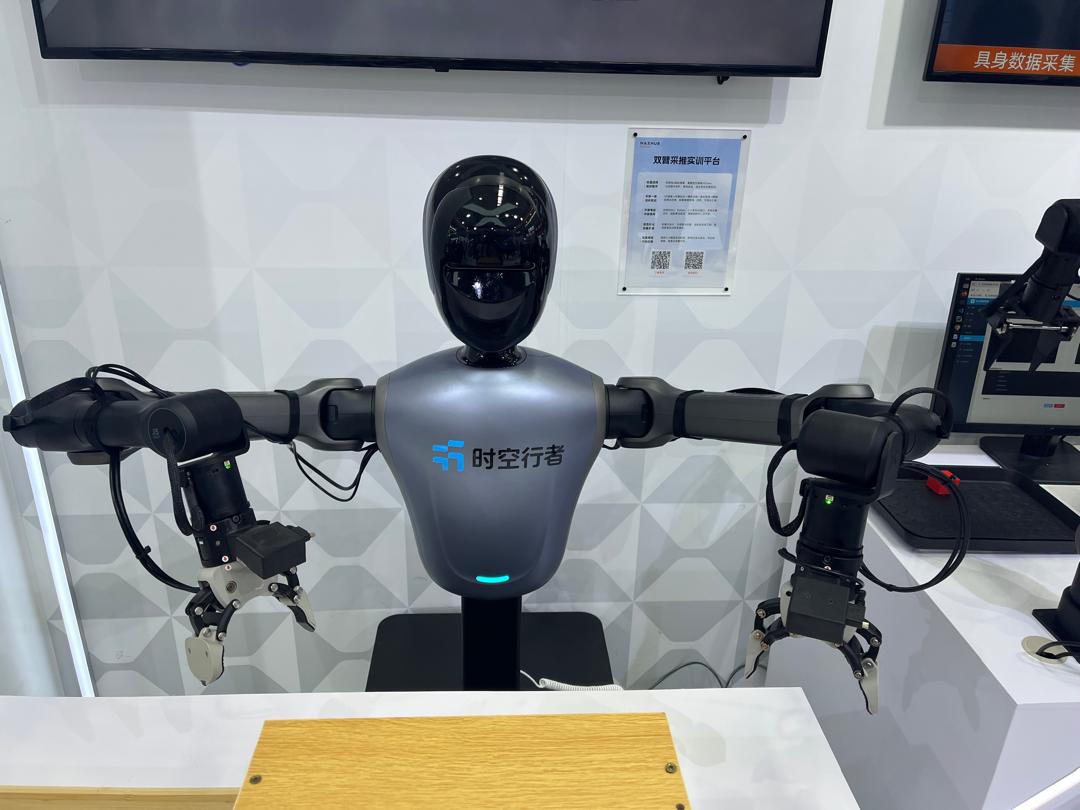
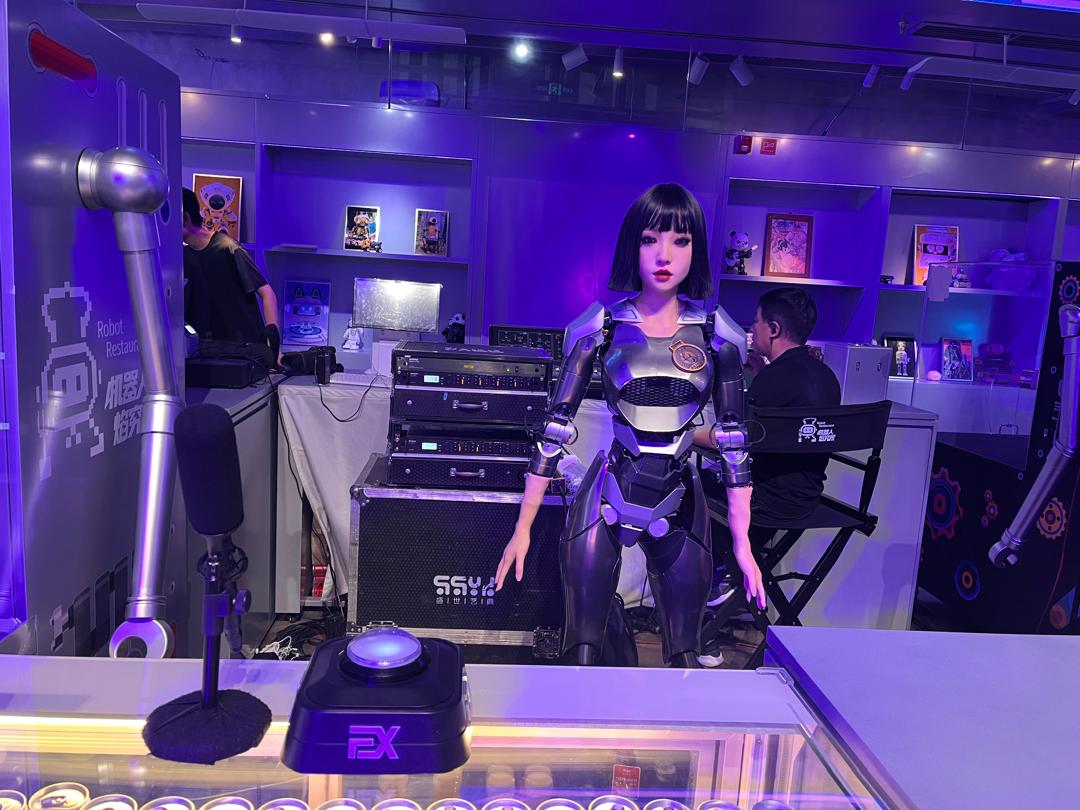
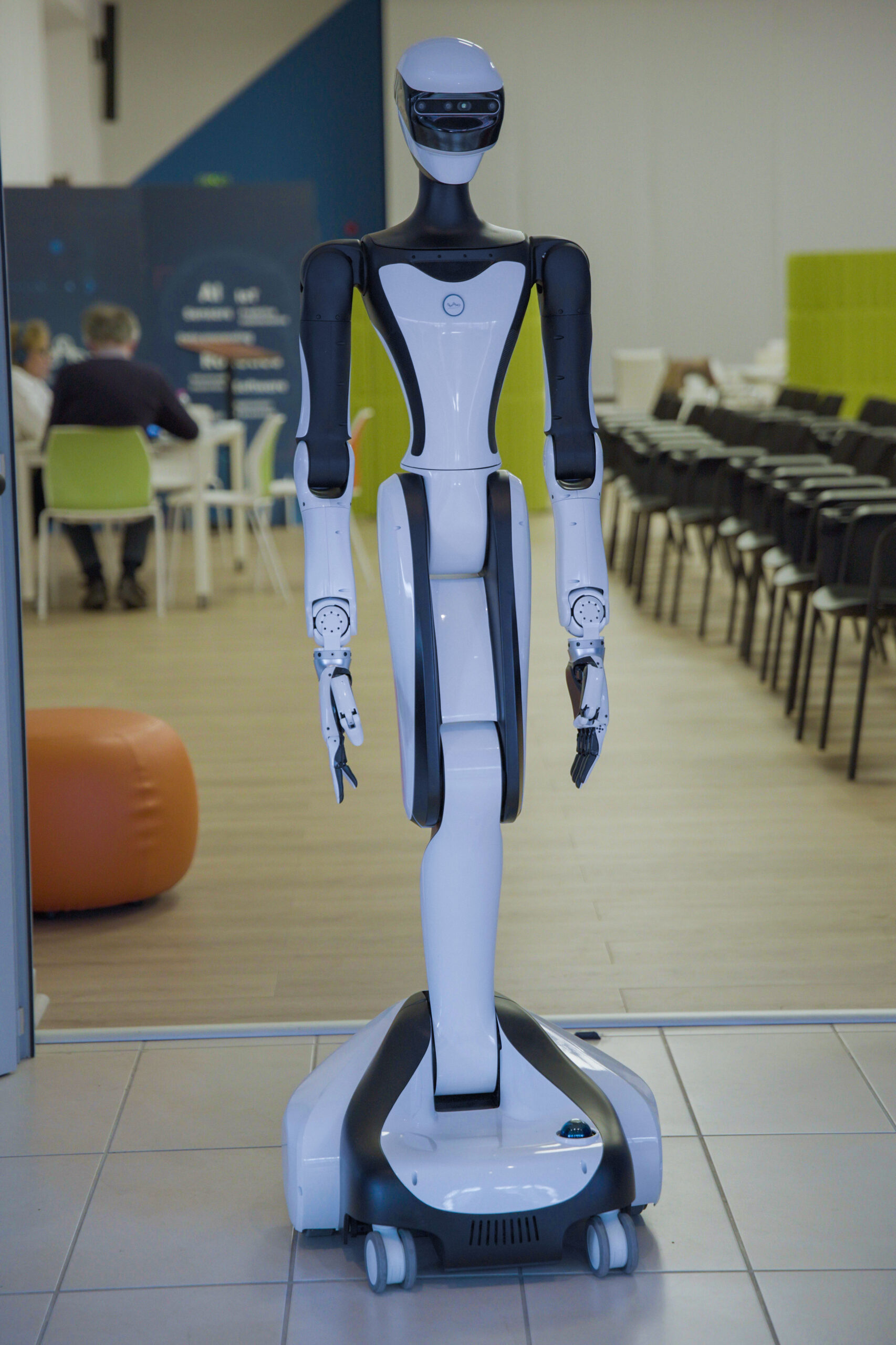
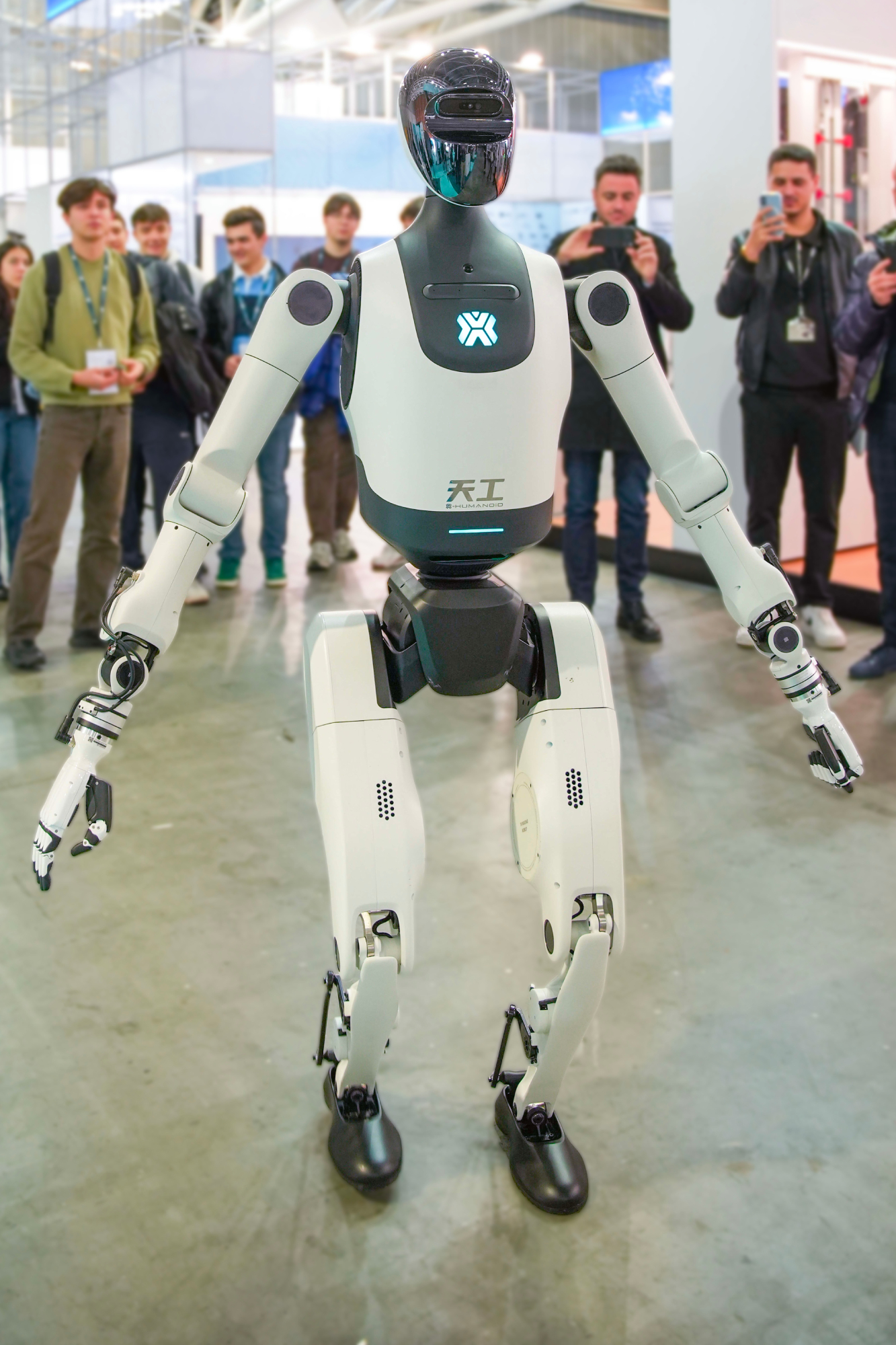
These are the objectives behind the new ARTES 4.0 Center on Robot Companions (RoboCom), a facility dedicated to the experimentation, evaluation and applied design of humanoid and animaloid robots, drones, robotic interfaces and immersive systems. All technologies are physically available on-site for testing, development and validation.
Already operational and located at the ARTES 4.0 headquarters on Viale Piaggio in Pontedera, RoboCom will be officially inaugurated in autumn 2026.
With an area of approximately 520 square metres, more than 25 pieces of advanced equipment and a total investment of €1.2 million, RoboCom is the first centre of its kind in Italy and among the few in Europe entirely dedicated to the applied experimentation of companion robotics and AI-powered systems for perception, control, interaction, data analysis and decision support.
The Center is designed to help companies, public bodies and organisations move from curiosity about robotics to evidence-based decision-making. By testing robots before adoption and measuring their impact before investment, organisations can significantly reduce the technological, economic and operational risks associated with introducing new robotic solutions. RoboCom focuses on technologies that have already reached a high level of maturity and are ready to be integrated into real operational processes.
From performance testing to trustworthy adoption
Beyond technical validation, RoboCom addresses a broader challenge: ensuring the quality, reliability and responsible use of robotics and AI systems.
Each solution is assessed not only for the performance it can deliver, but also for its traceability, transparency, governance and operational controllability. The objective is to ensure that robots and intelligent systems can be introduced into real-world environments safely, responsibly and in compliance with ethical, professional and regulatory principles.
This assurance function represents one of RoboCom’s distinctive features and positions the Center as an advanced technology-transfer facility for companion robotics and artificial intelligence.
RoboCom is part of ARTES 4.0, the national Competence Center selected by the Italian Ministry of Enterprises and Made in Italy and specialised in robotics and AI. Companies therefore gain access to the expertise and research capabilities of ARTES 4.0’s nationwide ecosystem, including those of the Sant’Anna School of Advanced Studies, a founding member of the Competence Center and an international reference point in robotics, biorobotics, artificial intelligence and human-machine interaction.
In the latest edition of the ShanghaiRanking’s Global Ranking of Academic Subjects, Sant’Anna ranked seventh worldwide and second in Europe in Robotics Science & Engineering.
A complete infrastructure for real-world experimentation
RoboCom provides a technological infrastructure capable of simulating a wide range of application scenarios, including:
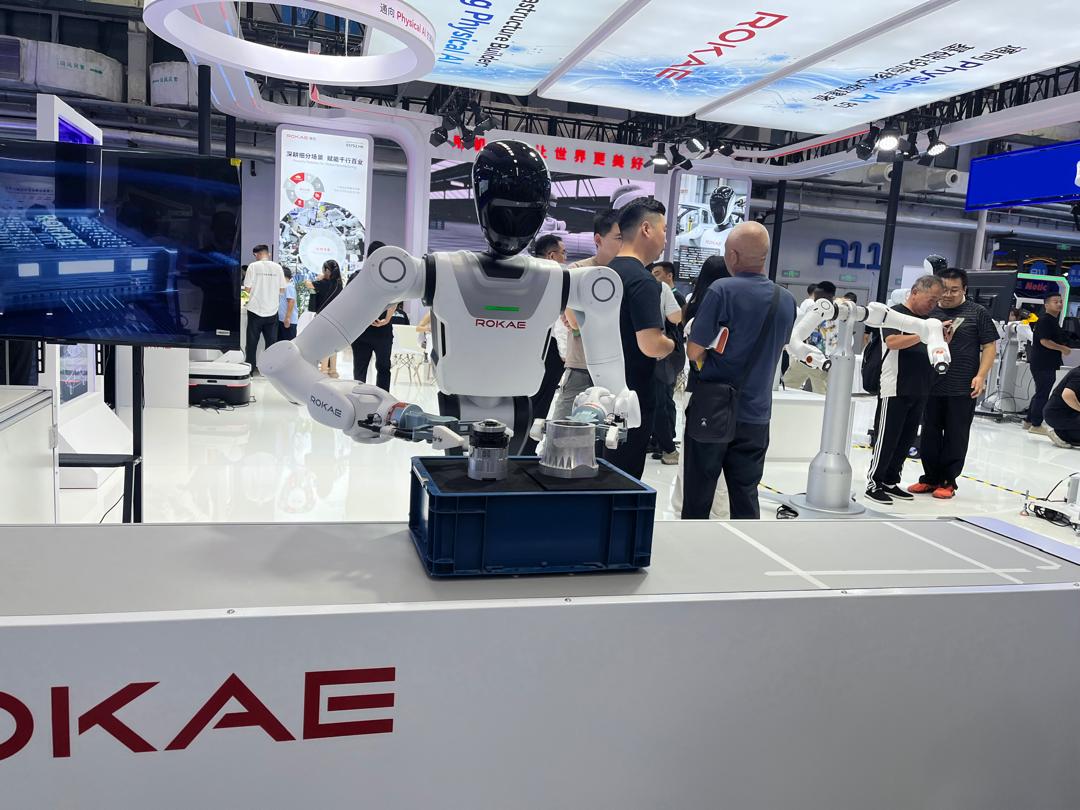
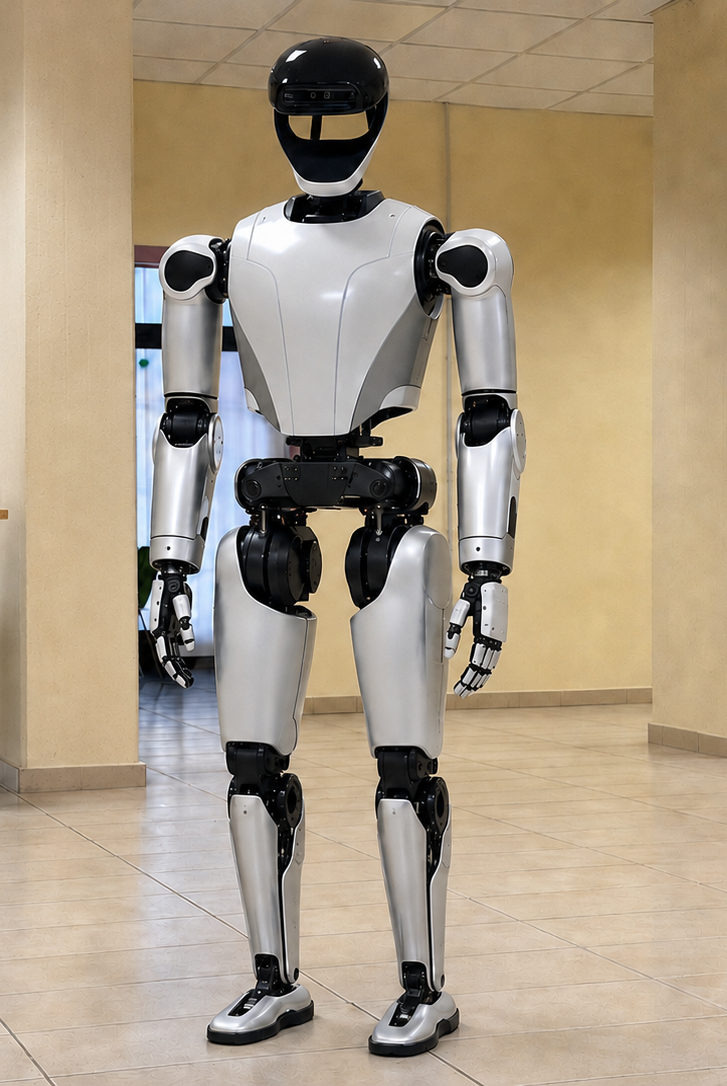
- Humanoid robots for service and assistance tasks;
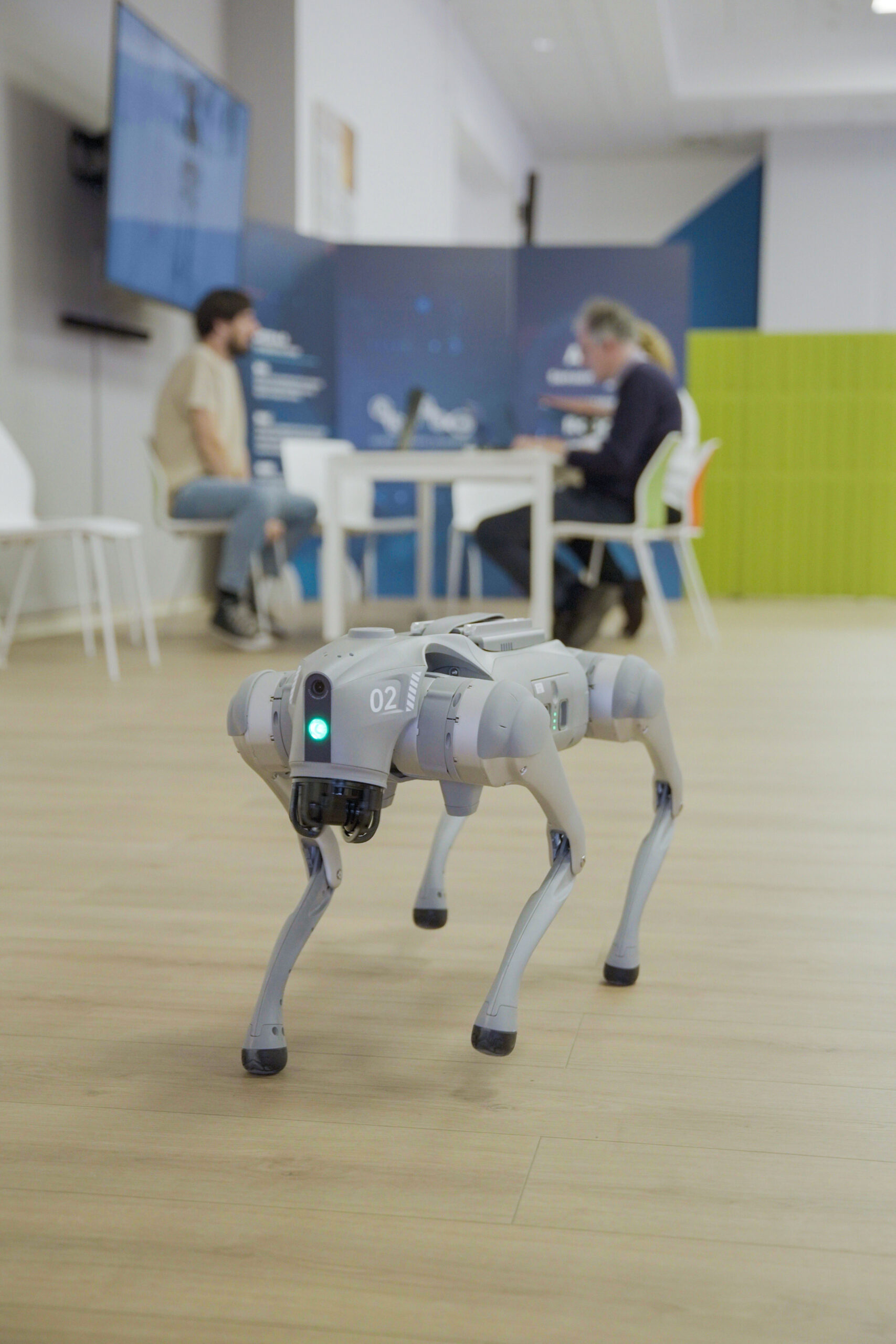
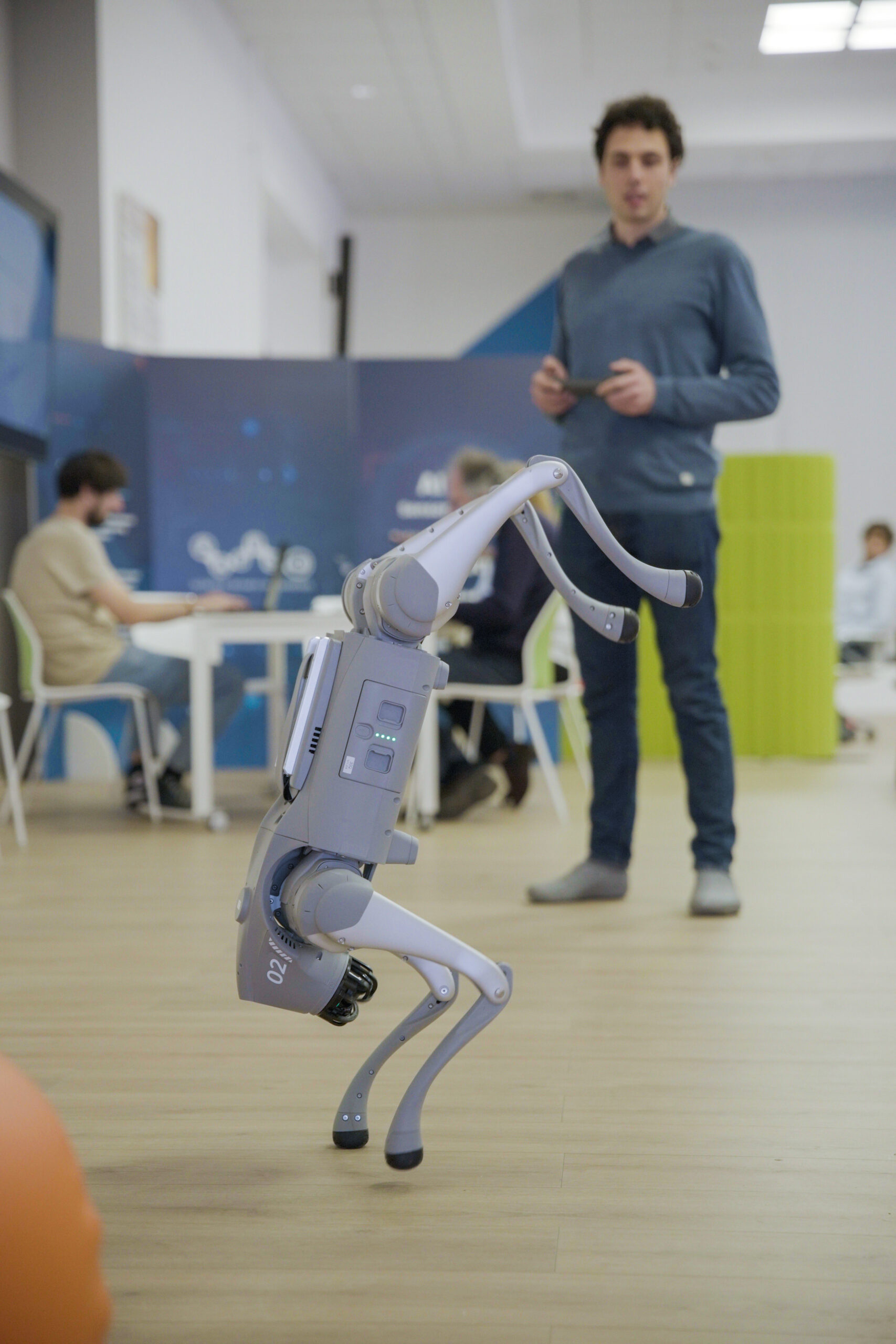
- Quadruped robots for monitoring and inspection activities;
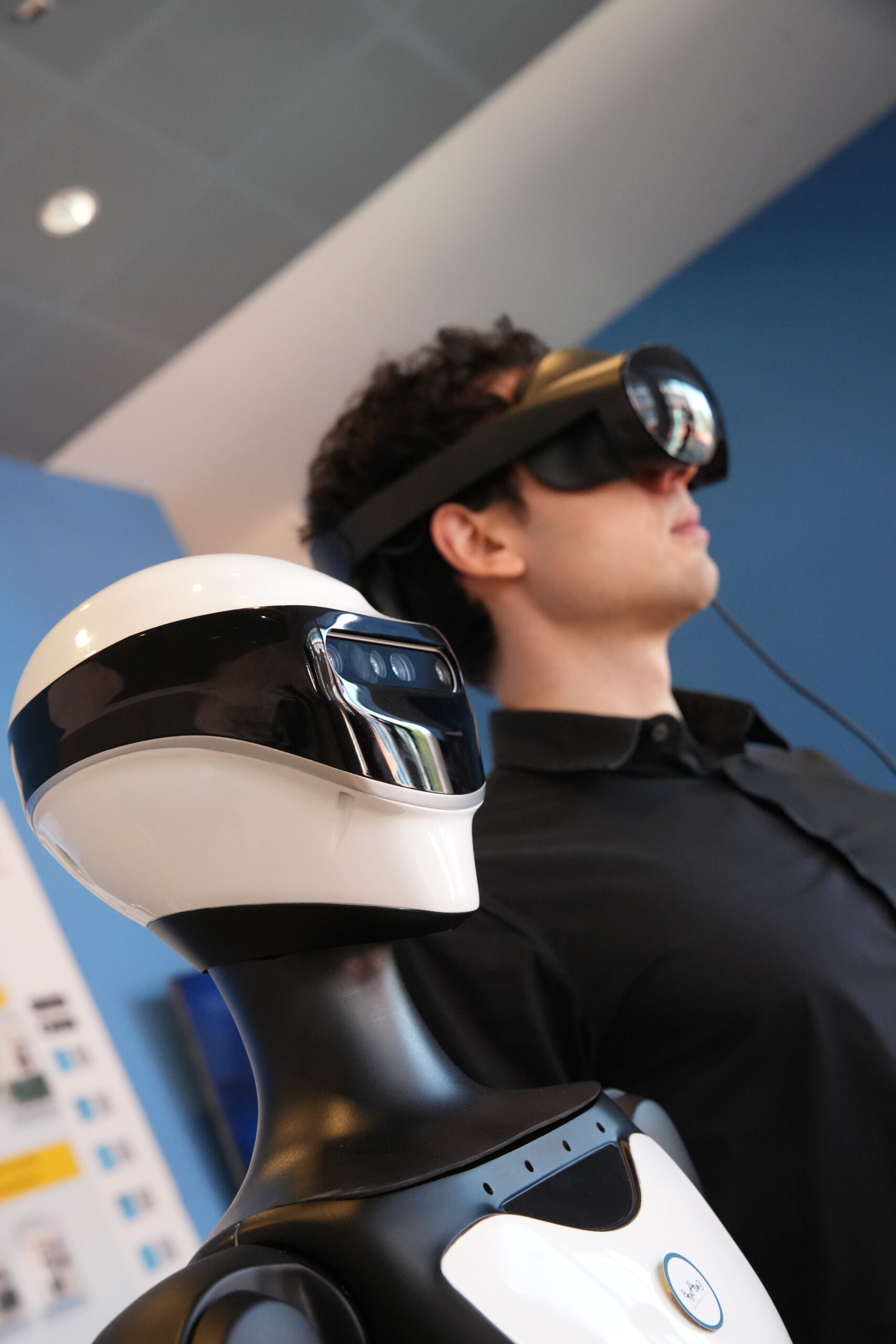
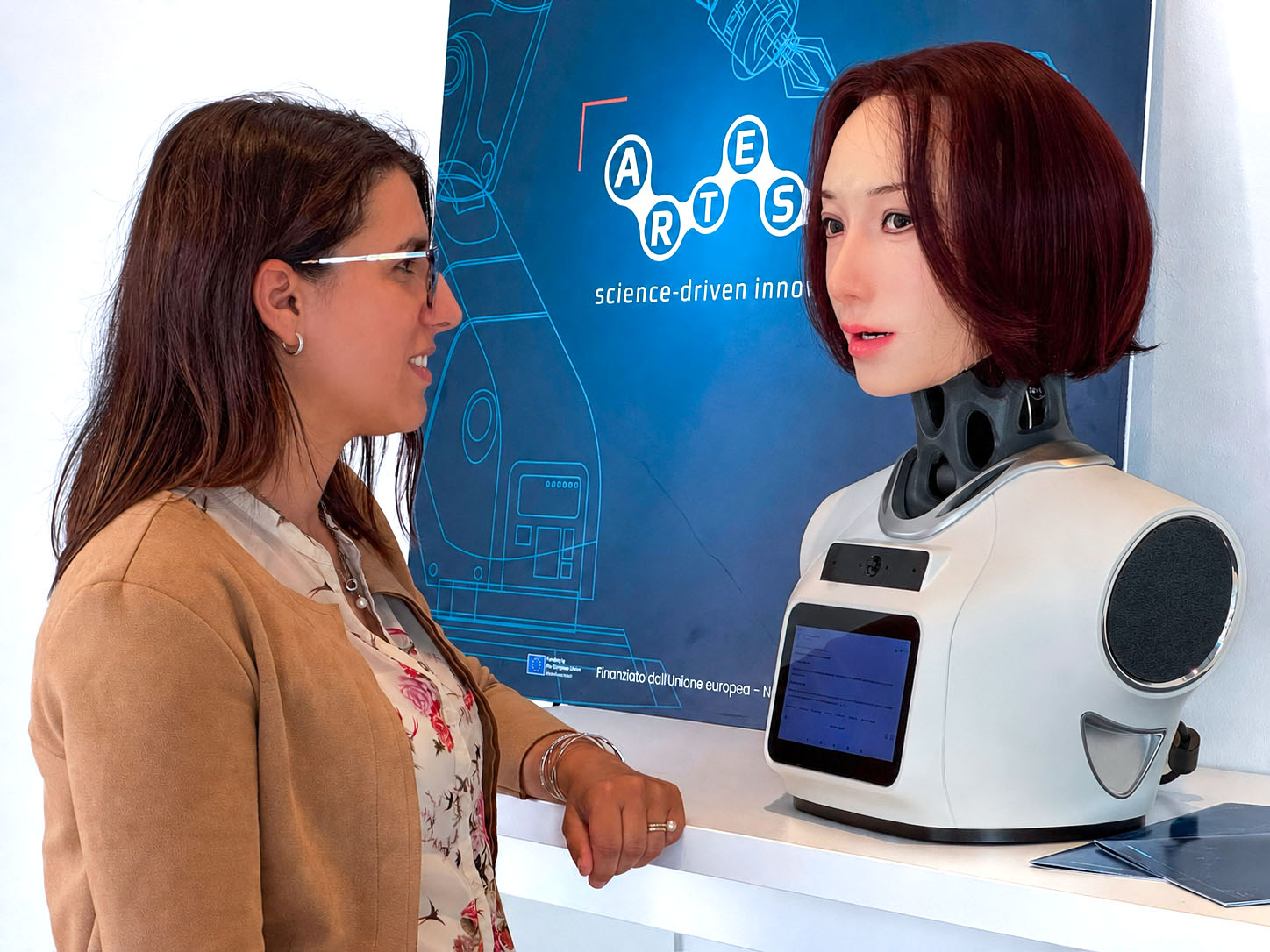
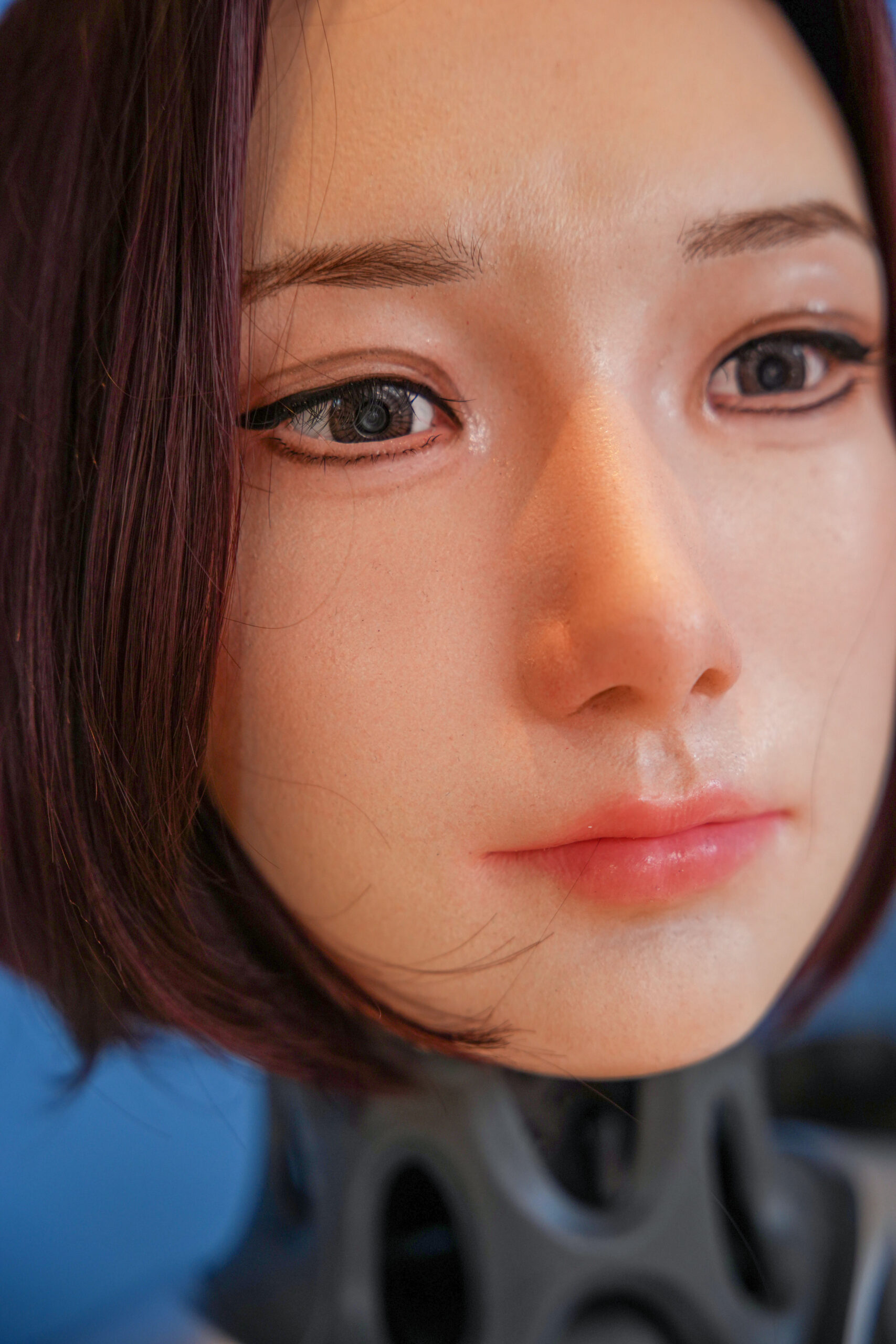
- Bionic torsos for studying advanced forms of human-machine communication;
- Drones and 3D acquisition systems for environmental reconstruction;
- Wearable technologies, immersive headsets and teleoperation platforms;
- Advanced 3D printing systems and computing infrastructure;
- Dedicated environments for testing AI applications and robot-control systems.
One of RoboCom’s defining characteristics is its technological neutrality. The infrastructure is not tied to any specific manufacturer or platform, enabling comparative evaluation across different technologies, configurations and use cases.
This allows organisations to base investment decisions on objective and comparable data, selecting the solutions that best match their operational requirements.
Designing companions, not just machines
Alongside technology testing, RoboCom develops applied research and design activities focused on the concept of robotic companionship.
The Center evaluates aspects such as form, behaviour, movement, interfaces, autonomy levels, perceived safety and contextual fit. The goal is to understand not only whether a robot functions correctly, but whether it can be effectively accepted and integrated into the environments where it will operate.
Particular attention is devoted to user experience, trust, interaction quality and the robot’s ability to fit seamlessly into existing processes without introducing unnecessary complexity.
An interdisciplinary approach to robotics and AI
Companion robotics raises questions that go far beyond technology, encompassing ethics, philosophy, social acceptance, responsibility and organisational impact.
For this reason, RoboCom combines technical assessment with interdisciplinary expertise capable of evaluating the broader implications of deploying intelligent systems. Every application can be analysed in relation to the human and social contexts in which it will be introduced.
It is further enriched by the connection with the Robo-Philosophy Group at the Sant’Anna School of Advanced Studies, which recently launched the Seasonal School Robo-Philosophy: Dimensions of Co-Agency, dedicated to exploring the philosophical, political, social and ethical dimensions of collaboration between humans and robotic systems.
ARTES 4.0 approaches innovation as a process that combines scientific excellence, technological capability, regulatory awareness and social responsibility. RoboCom has therefore been created not only to verify whether a technology works, but also to determine whether it can be adopted safely, responsibly and sustainably.
A national network supporting technology transfer
RoboCom is part of a broader network of facilities that strengthens ARTES 4.0’s capacity to support companies throughout Italy.
Alongside the headquarters in Pontedera, the Center is connected to facilities in Palermo, Olbia and Jesi. It also contributes to the Joint Lab established with CIM in Turin, dedicated to robotics for manufacturing industries, while supporting additional international initiatives aimed at expanding technology-transfer services on a global scale.
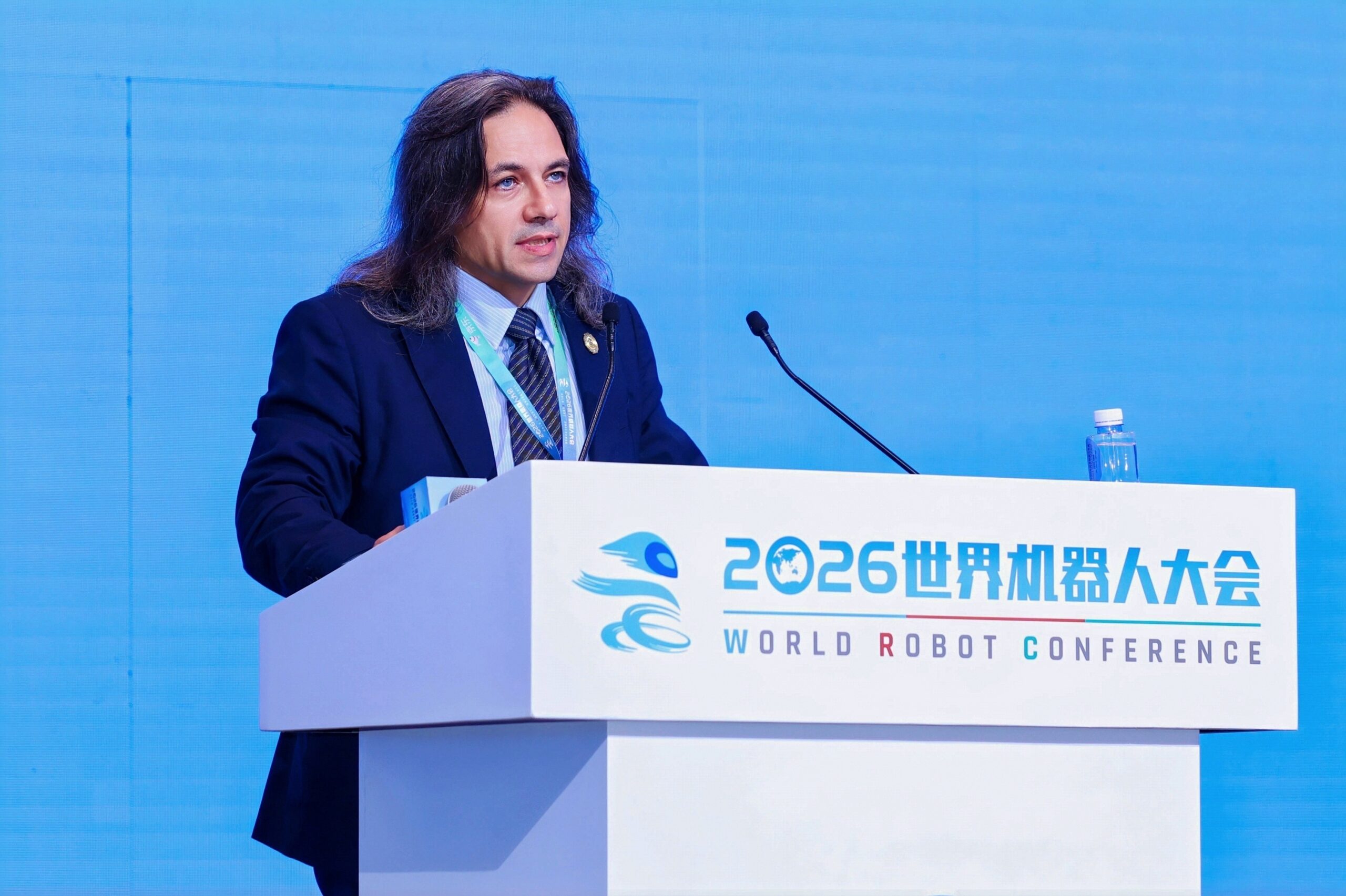
Paolo Dario, Scientific Director of ARTES 4.0
«With the Center on Robot Companions - underlines Prof. Paolo Dario, Scientific Director of ARTES 4.0 - a new phase opens for technology transfer in our territory. Pontedera has always been a place where industry, research and a vision of the future meet: from its great manufacturing tradition to the birth of internationally renowned scientific expertise in robotics. This Centre gathers that legacy and projects it towards the frontier of robots entering workplaces, services and everyday life. And it has chosen to do so through an open infrastructure that allows companies to approach robotics with the support of the best research».
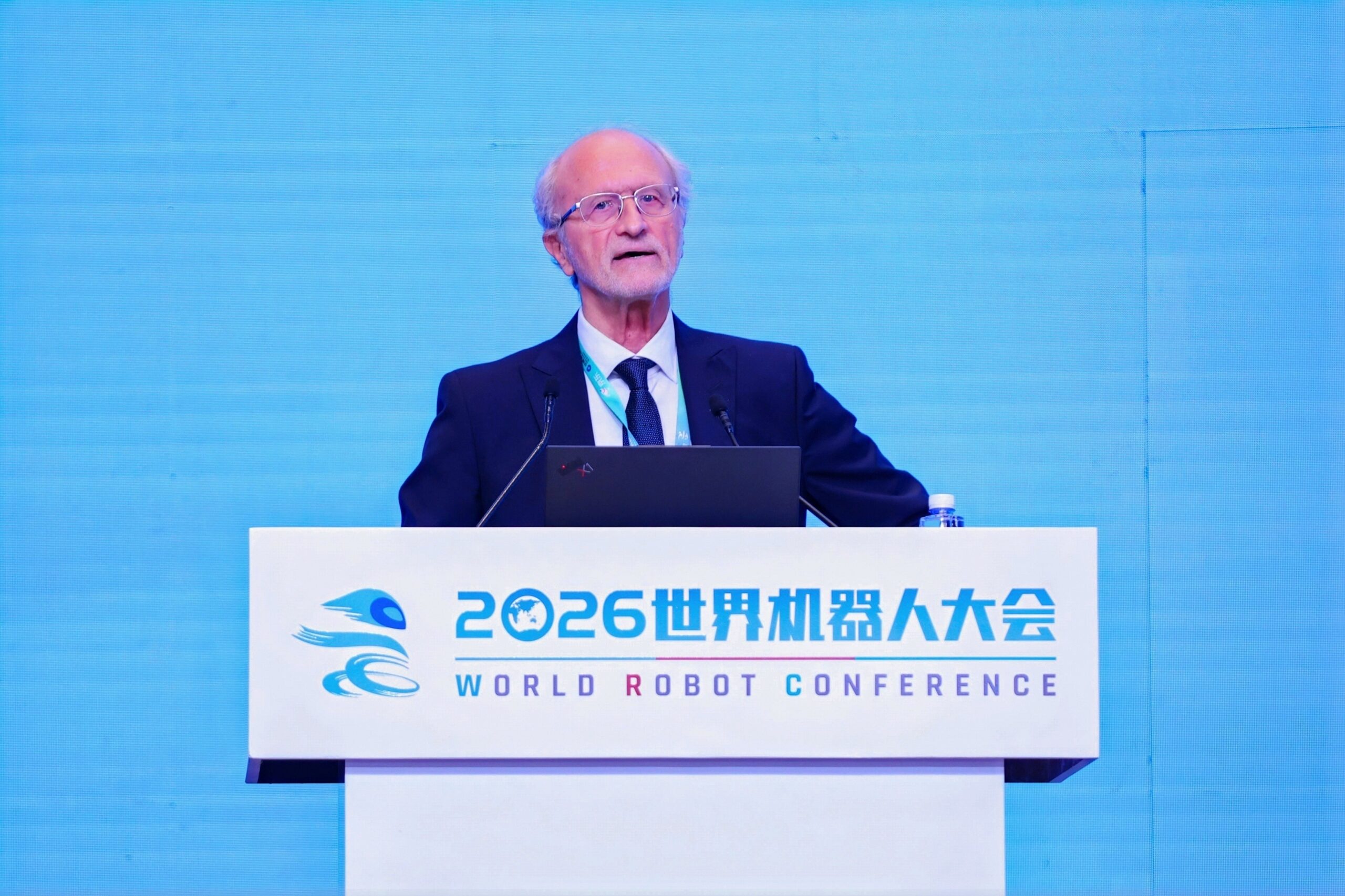
Antonio Frisoli, President of ARTES 4.0
“«The competitiveness of companies will increasingly depend on the ability to experiment with advanced technologies before adopting them - explains Antonio Frisoli, President of ARTES 4.0 -. One challenge for the Centre, for example, is verifying the actual ability to program the new advanced humanoid robotics platforms to carry out real tasks in industrial contexts, using the most modern Visual Action Models, which allow robots to be trained based on the presentation of examples. Precisely for this reason, the Centre has also equipped itself with a computing infrastructure that makes it possible to validate different generative AI models for robot control». With the Center on Robot Companions, ARTES 4.0 offers companies a place where they can carry out these checks before investing: «Physical AI makes this challenge even more concrete because it brings artificial intelligence inside machines capable of perceiving, moving and acting in the real world»